

The 4 keywords of the new digital transformation
We went to Barcelona for the world's largest conference for IT executives and CIOs, to explore the core themes of a new, explosive digital transformation. We've summed them up in four keywords that are already central to the digital strategies of the world's largest companies.
We went to Barcelona for the world's largest conference for IT executives and CIOs, to explore the core themes of a new, explosive digital transformation. We've summed them up in four keywords that are already central to the digital strategies of the world's largest companies.


To better understand an ever-changing market, at the beginning of 2019 we decided to engage Gartner, one of the world's leading IT advisory firms. The journey we're taking with Gartner will help us deliver real, solid, long-term digital strategies that go beyond the technology solutions we've offered so far. This journey, as fascinating as it is demanding, took us to Barcelona, to what is considered the world's most important event for CIOs and IT executives. 7,500 managers and strategists from the world's leading companies reflect on what lies ahead in the next 5 years and, small spoiler, the transformation will be more disruptive than anything we've seen in the last fifty years. Some of Gartner's strategic predictions say that by 2021 companies will double the time and investment they put into digital transformation; by 2023, 50% of the advertising on our devices will be shown based on our emotional states, detected and predicted by artificial intelligence, since around 40% of our behavior will be tracked in some way. Practically all sales will go through e-commerce sites with extremely high conversion rates, so refined and optimized that we risk facing a delicate health situation, with millions of people “addicted to online shopping”. Digital psychological support will probably be one of the most sought-after jobs of the future!

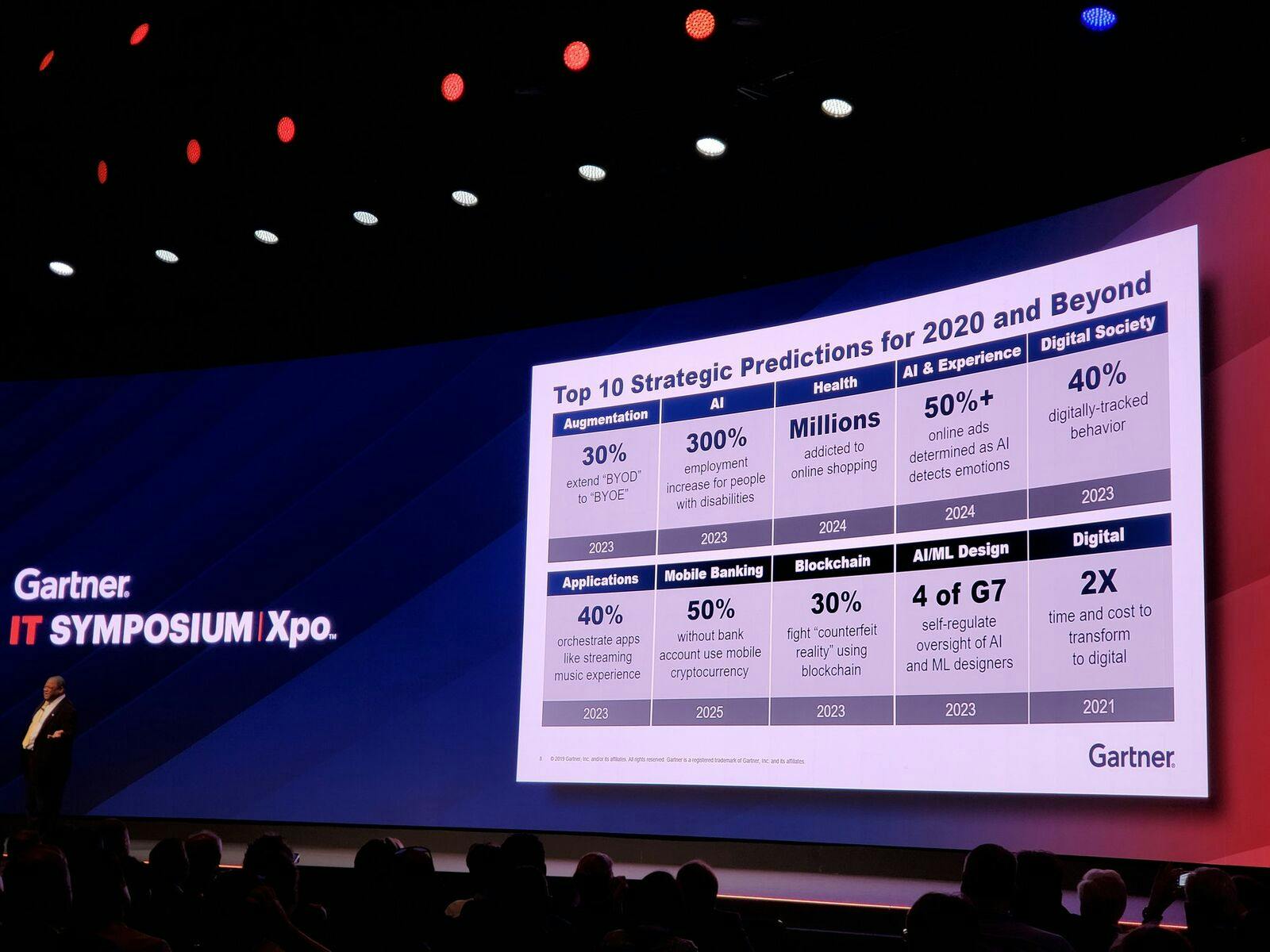
Across all these predictions, we've singled out four main keywords where, in our view, the real game of digital transformation will be played for businesses. You may have already heard some of them used as buzzwords, but we assure you that over the next five years it's no longer a joke.
TechQuilibrium
TechQuilibrium is a compound word that pretty much explains itself: it's the balance point between digital and traditional solutions. Finding this technological balance is an absolute priority for building a solid, cohesive strategy. Every industry has its own TechQuilibrium: oil platforms, for example, will need less digital technology than self-driving cars. Yet it's not that simple, because companies have internal departments with very different balances. In other words, marketing will have different technology needs, and therefore a different balance, than sales or production. Large companies are already working hard to find their ideal balance for each department, assessing where they actually stand today. You can't assume that moving everything to digital will solve your problems, just as it's pointless to cling to traditional methods that "have always worked".
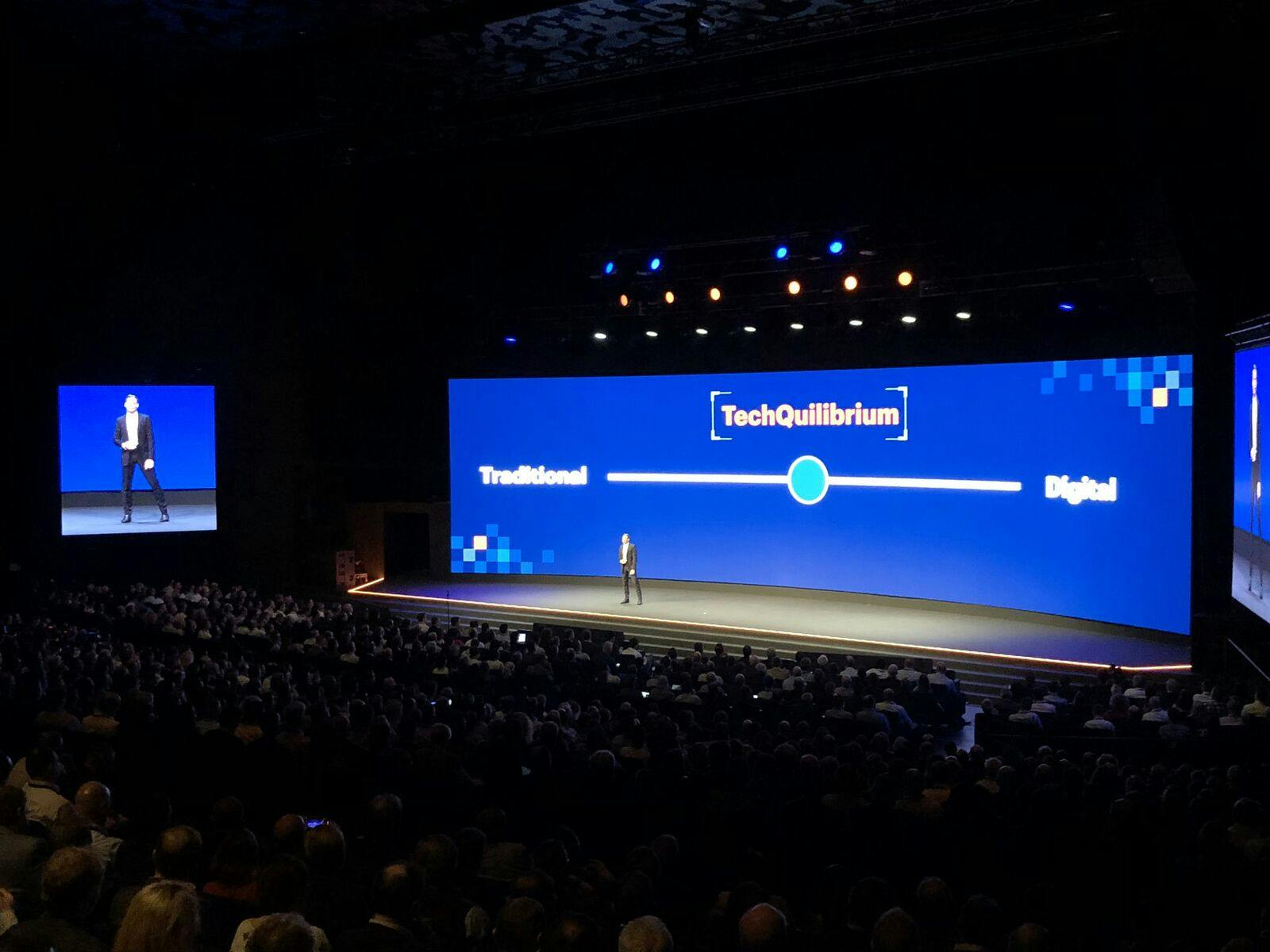
There are probably two main players in finding this technological balance: CIOs (chief information officers) and external partners who know the digital world and its solutions well. There's only one critical point: to bring value to the company, these people must be allowed to play a decisive role in business decisions. They need to work closely with decision makers, marketing, customer care and production too. With the right innovation, this journey can bring immense value in terms of cost savings and a significant increase in revenue. It's a delicate phase, in which our digital strategy must move from an approach full of “ORs” to an inclusive, expansive one made of many “ANDs”. It's no longer about choosing “this or that solution”: we're now required to implement them all. A company's digital transformation depends on this epochal change of approach, which is no longer optional. Beyond survival, it can bring huge direct and indirect benefits.
AI and machine learning
Like it or not, AI is already here, and it's already shaping the market. There's nothing to do but embrace it, understand it and make the most of it. When we think of "artificial intelligence", we usually think only of chatbots, but the truth is more complex than that. There are already advanced AI-based solutions that can bring huge benefits to businesses, but that end users would currently struggle to accept. However, there are already points where customer expectations and innovation meet, and that's where we need to be ready.

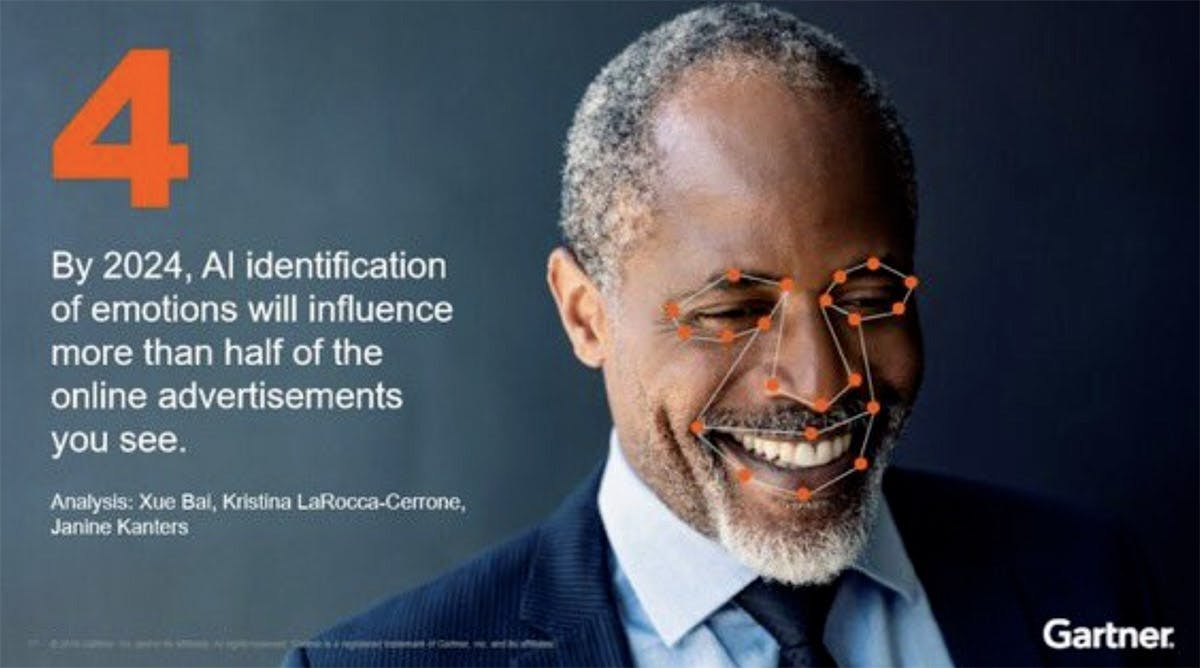
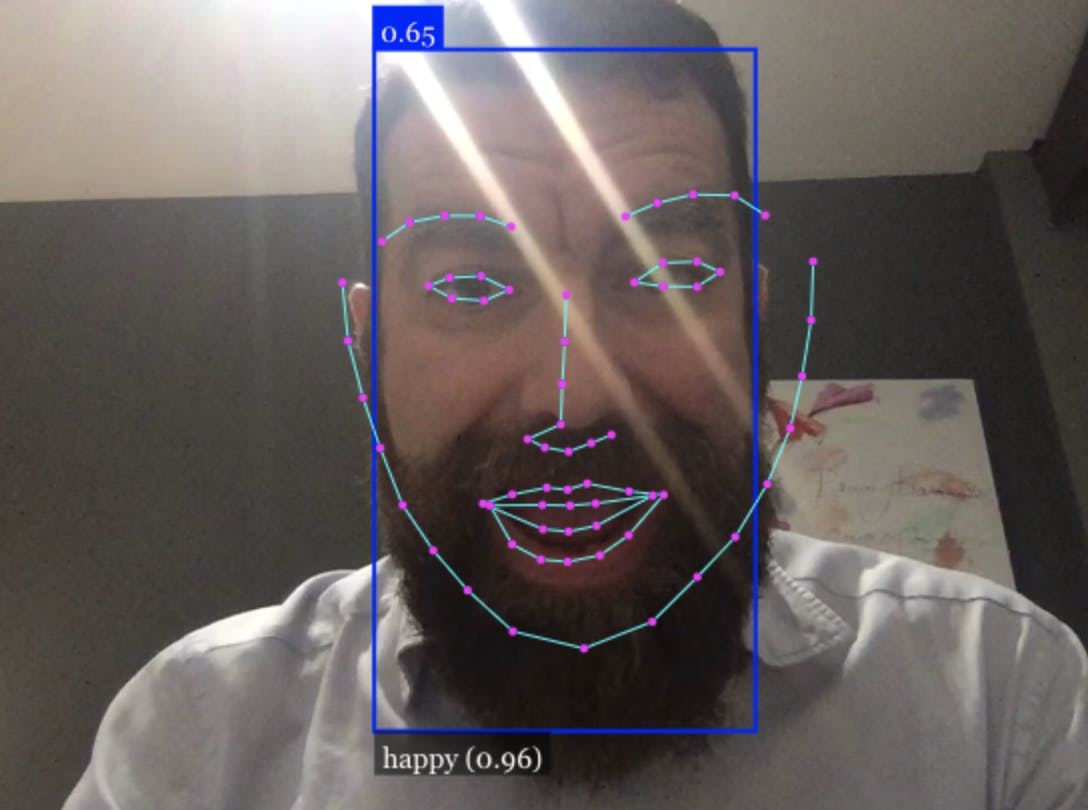
At Cantiere Creativo we've seen this firsthand: when we meet new clients, we give a demonstration of what a digital strategy means today. During the presentation, we use a webcam to track the facial expressions of the people watching, categorizing them as neutral, happy, angry, disgusted, amused and so on. Besides demonstrating the concept of “real time” and what's possible, what interests us is the ability to analyze past sessions, to understand at which points the presentation caused the most confused or annoyed expressions, so we can make it clearer next time. A scenario that seems futuristic, yet it's here, in the meeting room, ready to use.

Cybersecurity
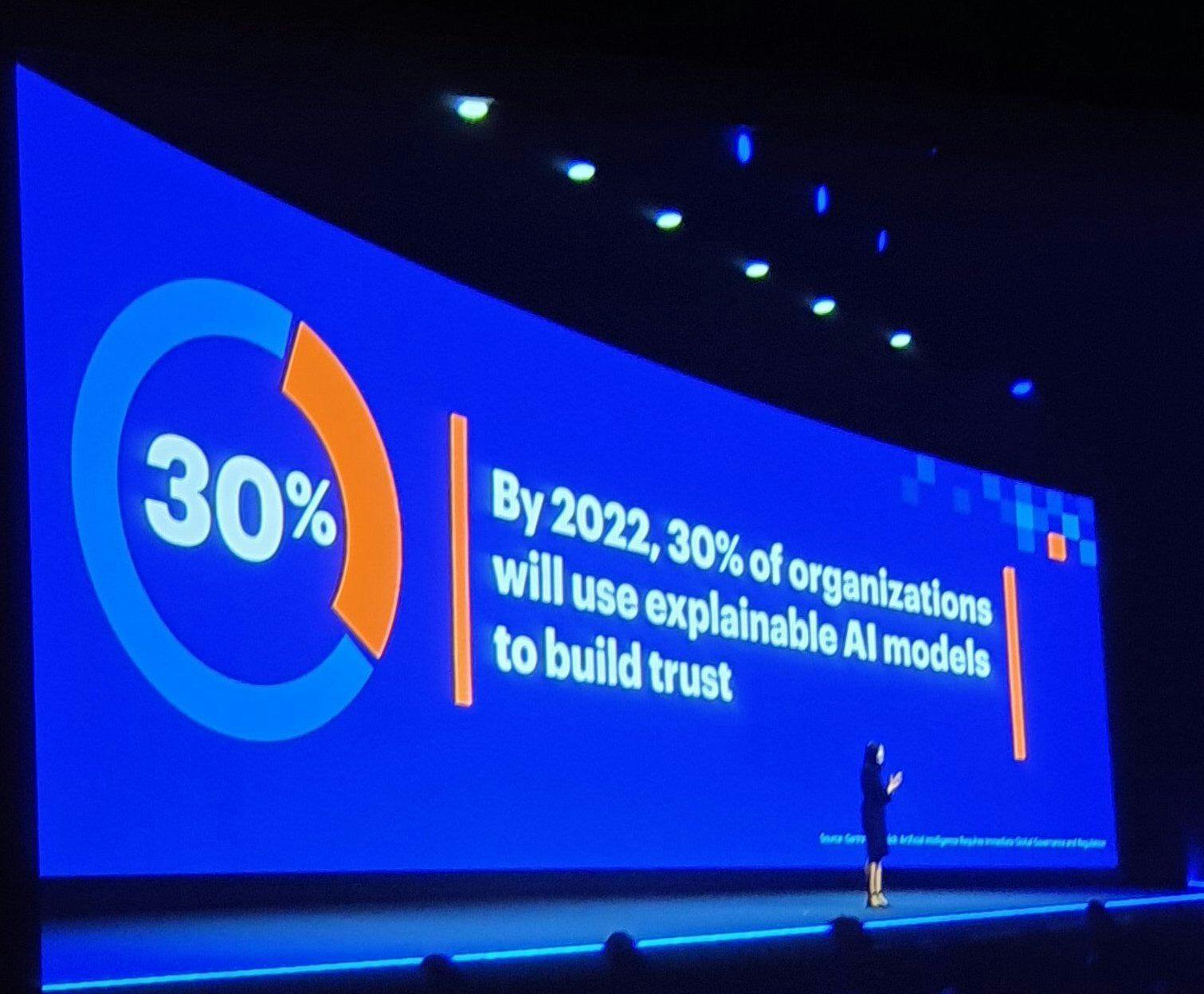
When we talked about how hard it is for users to trust AI, much of that concern stems from privacy and security issues. Companies will need to invest heavily here; according to Gartner, “by 2022, 30% of organizations will use AI models to build trust”.

As long as a face isn't tracked and recognized as “the individual's identity” but only as analytical data and the expression of a mood, anything is possible. Crossing the line is easy, even unintentionally. It takes maximum transparency and leaving users free to decide what they want to share. In short, AI isn't evil: it certainly calls for care and ethics, and those who lack them can do real damage. The European Union has just released guidelines on the ethical use of artificial intelligence, since the GDPR is a first step but certainly not enough. There's one important fact that can reassure us a little: investor confidence. Where investors sense a privacy risk, they turn off the tap, because the repercussions are terrible. Those who invest in protecting their customers' data, on the other hand, are seeing much bigger returns than expected, some of them unexpected.
Multiexperience
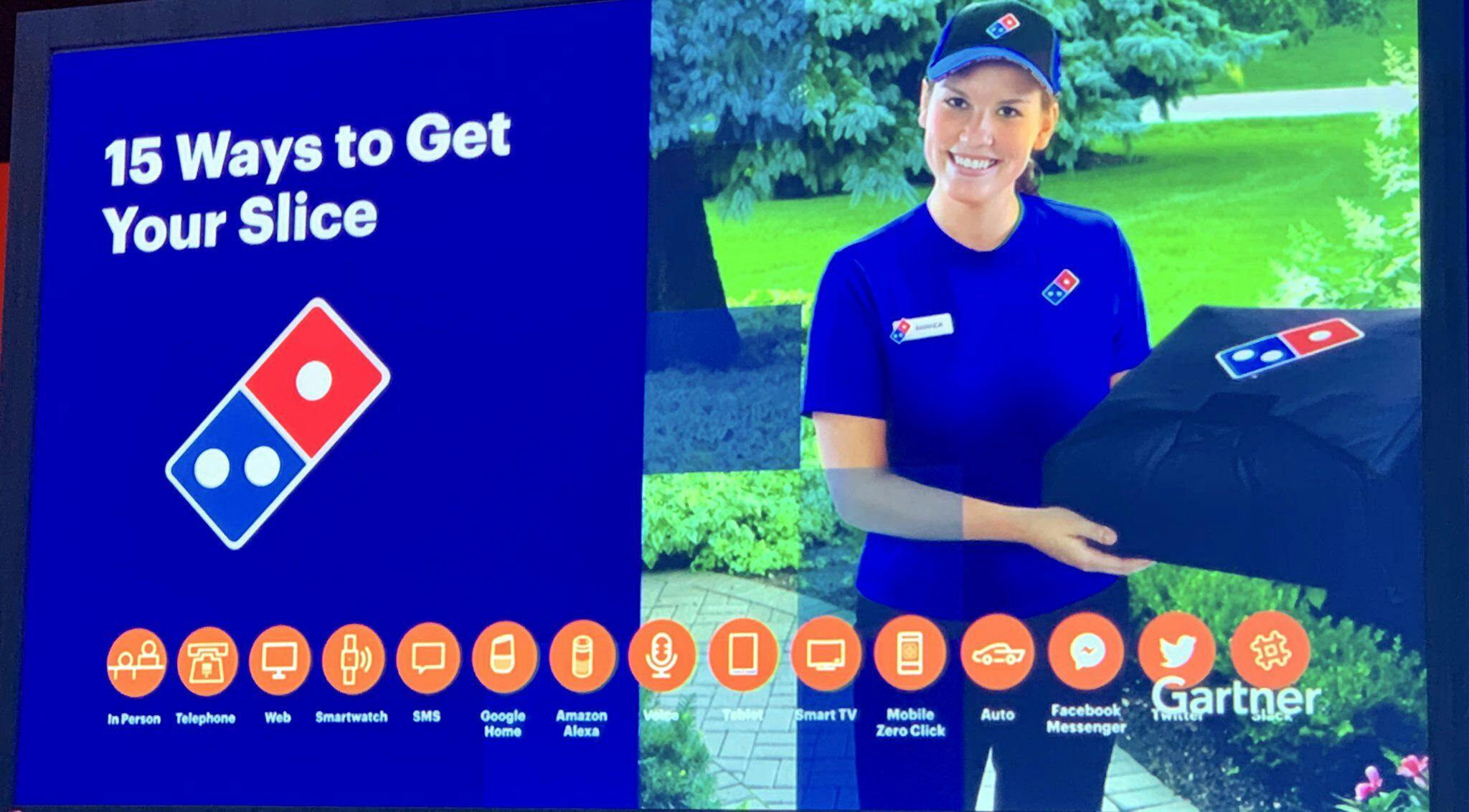
We've only recently started talking about multichannel, and it's still hard to get its deeper meaning across, yet the keyword is already turning into multiexperience. We'd barely internalized the concept of "multichannel" when the world started moving toward multiexperience. End users, even the less tech-savvy, have become “Everything customers”: they want everything, they want it now, and on any device. While multichannel is about developing a personalized customer service across multiple devices, multiexperience aims to make the experience all-encompassing. A well-known pizza chain (over 3 billion in revenue) has developed 15 different ways to order and pay online.

That's because customers are global, so cultural differences and sensitivities, buying habits and the ways people use goods and services all need to be taken into account. And there's more: already today, our customers can be machines. Bots and software will be our best buyers thanks to automated purchasing processes. Printers that buy their own cartridges in time so they never run out, and do it on our favorite store, are already on the market. Amazon, Apple, Google (and a long line of companies following them) are investing billions in subscription-based commerce that turns into automatic purchases. Is our e-commerce ready for this?

A train that only comes once
For an agency like Cantiere Creativo, these conferences are our lifeblood. They show us a future full of extraordinary possibilities, new and more meaningful relationships with end users, and exciting technology solutions. Yet in the rooms packed with enthusiastic decision makers, we sensed a slight note of concern: so much will change in the next five years that a moment's distraction can cost a company market share that's hard to win back. Even companies that churn out innovation every day know this train only comes once; there's no more time to wait. We'd have much more to talk about, but we don't want to tire your eyes; if you want to know more about what the future holds, let's have a chat!


