

Why We Chose Basecamp to Communicate and Organize Our Work
To centralize information and be transparent with stakeholders, we needed a tool to support our everyday work and communication, keeping remote teams on different projects aligned on the goals to reach.
To centralize information and be transparent with stakeholders, we needed a tool to support our everyday work and communication, keeping remote teams on different projects aligned on the goals to reach.


Choosing and implementing new solutions is always a tough challenge, even in everyday life. Just think of picking an app from all the available options, or completing a task that requires several different platforms: if even one of them has a problem, the whole process fails.
In a fully remote company like ours, where we can organize our workdays with some flexibility, we needed a tool that could centralize information, make it available to everyone at any time, stakeholders included, and help us organize our work. Over the years we've seen plenty of tools come and go (and fail), from chat-based to task-based: some had terrible usability, others weren't really all-in-one and forced us back to email, a tool we've always openly declared war on. And even though we're all nerds, in the good, tech-savvy sense of the word, switching communication tools always brings overhead and frustration if the new tool doesn't solve all the problems of the old one.

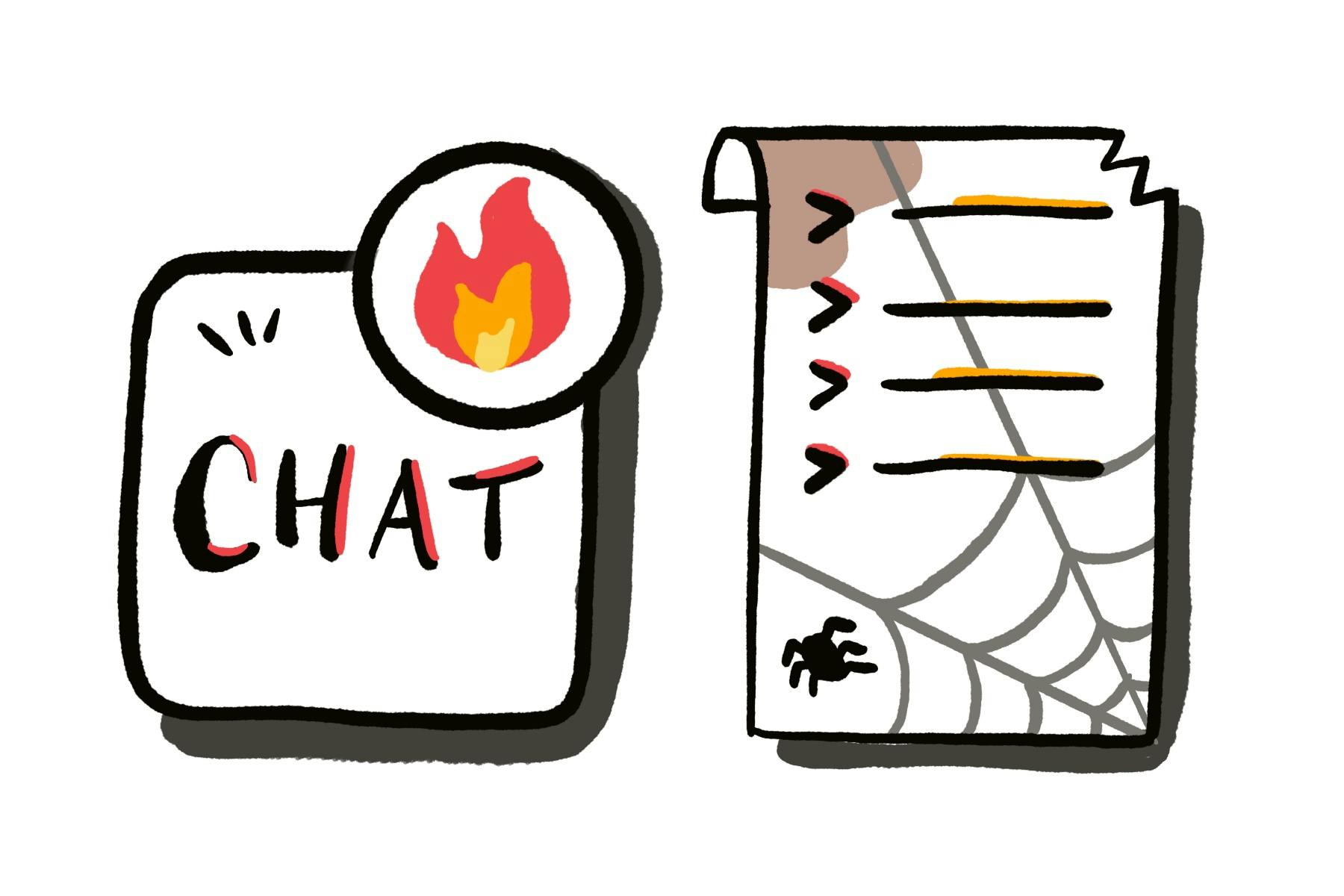
Why chats and lists don't work
Platforms based solely on group chats are chaotic and full of pitfalls. Being in a dozen conversations that can demand more or less urgent attention at any moment is exhausting: it forces constant context switching and ends up draining energy like a black hole. All of this in a toxic culture of right here, right now, given the fleeting, elusive nature of chat, where messages are relevant when they're written but no longer a few hours later, let alone in the following days.
Likewise, list-only tools don't work for us. We don't follow Scrum to the letter; we've tailored it to fit our way of working. One of the most common problems with lists is the feeling of never-ending work: endless lists, sometimes duplicated, with three new tasks popping up as soon as you close one. The frustration of having no measurable goal ahead, just a to-do list, is one of the most widely felt problems for anyone working in software development.
What Cantiere Creativo needs
I don't really buy the line The tool is fine, it's the user who's using it wrong, and neither does Don Norman, who puts the focus on bad design instead. That said, it would be wrong to claim that lists and real-time chat are pure evil; rather, they're useful in certain cases, within a hypothetical toolbox that covers other needs and follows philosophies other than everything is urgent or the idea that a project is just a cascade (or waterfall?) of tasks.
The client alongside the team
Cantiere Creativo takes a client-first approach, which means involving stakeholders from the briefing and roadmap planning, through defining the goals of each sprint, all the way to product release. That's why stakeholders must take part as decision-makers on the same platform where the team works and communicates, with full transparency and with the aim of preventing problems (the classic elephants in the room), which are also easier to solve when raised early. On Basecamp, whenever we talk about the team, we always include the stakeholder.
Real-time sometimes, asynchronous most of the time
This is one of Basecamp's mantras:now is the exception, asynchronous is the rule. Expecting every team member to be available on short notice at any time brings with it the anxiety of I'm afraid of missing out , and it's simply unsustainable in a multidisciplinary, remote team with varied schedules. Chat remains essential for real emergencies, for quick clarifications, and for giving everyone a sense of belonging, one of the biggest pain points of a fully remote team. For everything else, discussions happen asynchronously. An asynchronous discussion lets everyone contribute thoughtfully and on a more relaxed timeline, reaching a shared solution that remains available for future reference. What's said in a chat or a video call among part of the team fades over time and benefits only the participants. Writing solidifies ideas and is democratic, because it's accessible to those who weren't there and to people who will join the team in the future.
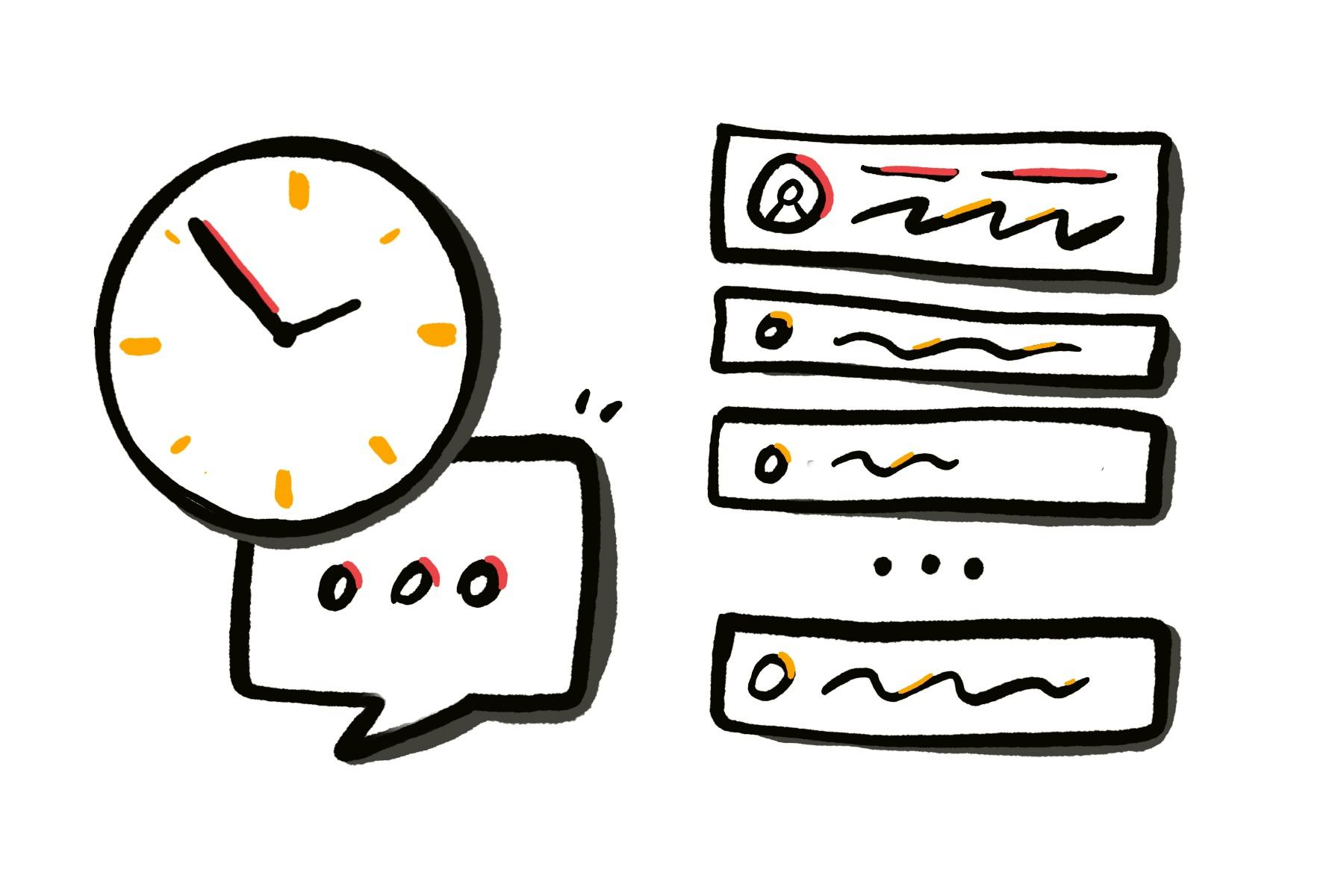
Everything is a thread, everything can be commented on
One of Basecamp's key features is that you can comment on everything. A document, a message board post, a single task: anything can become a discussion. The big advantage is that every comment is now attached to the right context, so you no longer search for a single piece of information but for the topic it relates to. No more stress over emails and lost attachments: the item and its discussion live in the same single place for everyone.
Keeping the team up to date on project goals
The first level of granularity we set for each sprint is the breakdown into epics, or macro goals, which are shared and clear to everyone, stakeholders first and foremost. Basecamp offers a key feature for keeping track of project progress: the hill chart. As the name suggests, it's a hill that epics travel across from left to right, first uphill and then downhill once they pass the central peak. The position of the macro goals along the hill is simply a rough but telling snapshot of the sprint: at a glance we can see the sprint's status, which areas are hardest to tackle and which are done. This way the whole team is aware of progress, and it's easier to monitor and prevent potential complications.
Want to improve your remote work processes too?
Do any of these communication problems sound familiar, or are you curious about how we manage remote teams? Write to us and we'll be happy to help.


