

How Museo Ginori laid the perfect foundation for its (not only) digital future
Museo Ginori needed an accessible, fast and open web platform that made content production easy. The tools provided by the new Museo Ginori website now represent a generational leap in the digital storytelling of one of the world's most famous porcelain manufactories.
Museo Ginori needed an accessible, fast and open web platform that made content production easy. The tools provided by the new Museo Ginori website now represent a generational leap in the digital storytelling of one of the world's most famous porcelain manufactories.



The project in numbers

homepage load time
0,4s

Google performance score
100/100

accessibility level
AA
Elite performance
Thanks to its tech stack and efficient information architecture, the Museo Ginori website is among the fastest in the world.
Thanks to its tech stack and efficient information architecture, the Museo Ginori website is among the fastest in the world.
An inclusive experience
The website passed all major accessibility tests and is fully navigable by people with visual impairments.
The website passed all major accessibility tests and is fully navigable by people with visual impairments.
Open technology
The technology and design solutions have been made available for reuse by all public bodies, in line with the Italian Digital Administration Code.
The technology and design solutions have been made available for reuse by all public bodies, in line with the Italian Digital Administration Code.
The best thing about this website is that it can tell, and will tell even more in the future, countless stories. Stories of art, craftsmanship, collecting and taste, of fickle and eccentric patrons, of successes and failures, of work created and lost, of talent and passion.
Consuelo de Gara
Head of Communications, Fondazione Museo Ginori
A new beginning
Fondazione Museo Ginori faced the far-from-simple task of building an online presence from scratch for a venue that was still temporarily closed.
Contrary to common practice, the leadership had no intention of settling for a single "Under construction" page. Instead, they wanted to use the closure to create content that could tell the complex cultural and civic history of the Manufactory and its Museum.
"Launching a website while the museum is closed is an opportunity to promote a different idea of a museum," explains Consuelo de Gara, Head of Communications at Fondazione Museo Ginori, "and to bring to the forefront what usually stays hidden: its role as a center for research and cultural production, and a community committed to a critical dialogue about the past, present and future."
Always aiming high
The Foundation wanted an uncompromising editorial platform that reflected its values and principles, with the performance of an international museum and an open door to multichannel delivery.
By the Foundation's choice, all the work also had to meet the standards the Italian Digital Administration Code sets for public administrations, making everything open source and available to other public bodies.
On the information architecture side, the site had to be designed to showcase part of the Museum's vast collection while also telling the historical and cultural story of the Manufactory.
In short, the website had to offer multiple navigation paths and levels of depth for the many types of users anticipated.
Choosing Cantiere Creativo
Fondazione Museo Ginori chose to partner with Cantiere Creativo on this project because of its track record with museums and public administrations: every project used scalable, fast, user-centered technology.
Cantiere Creativo's method also guaranteed reliable launch timelines, full transparency at every stage of production and a decade of experience managing open source content.
Alignment on the core values of a digital project, such as inclusivity, accessibility and sustainability, was another key factor in the final choice.

A website built for people
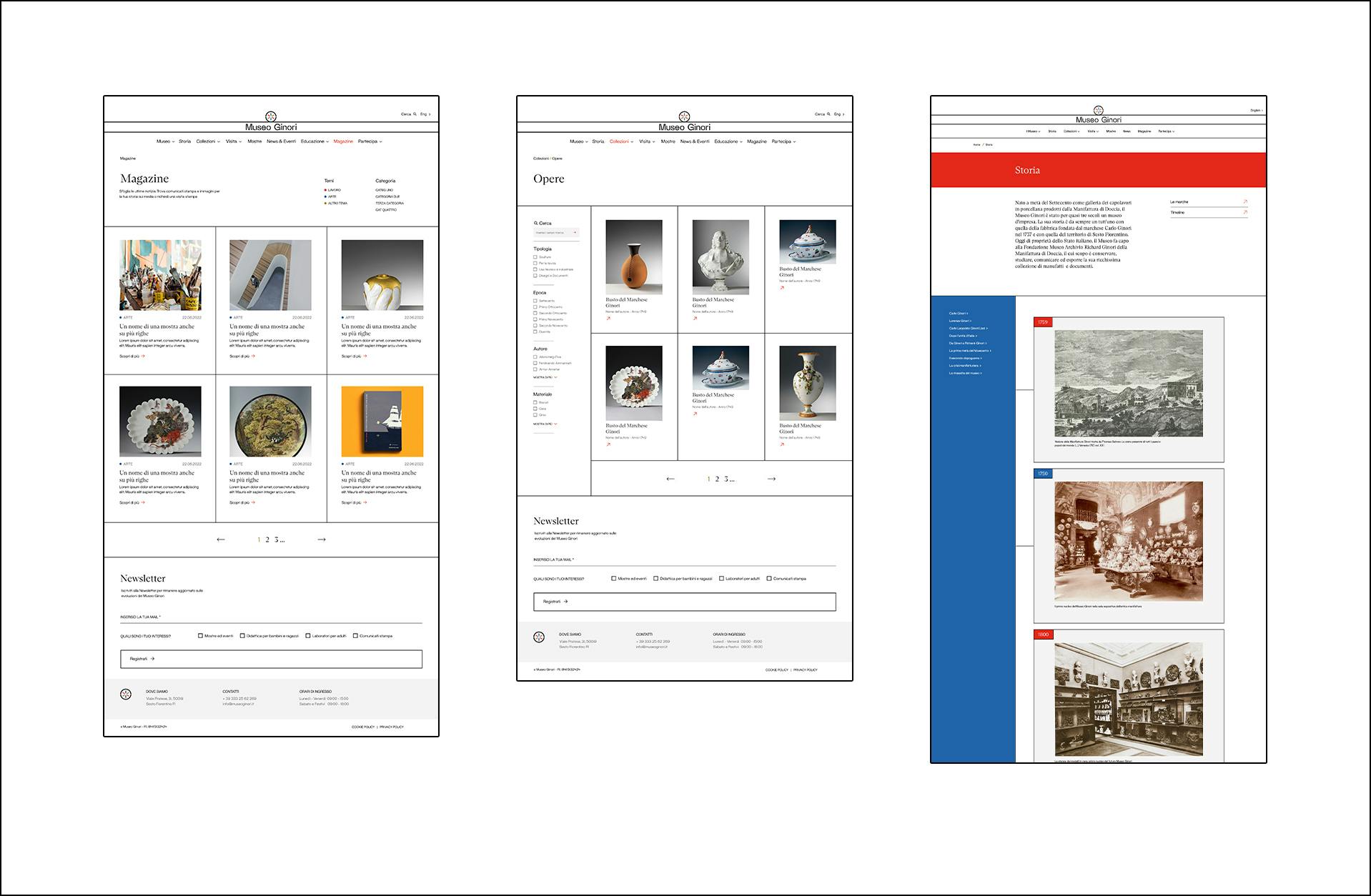
Cantiere Creativo developed a platform that pairs speed and reliability with a complete, powerful editorial experience.
Average homepage load times are under one second, with First Contentful Paint at 0.3 seconds, and navigation is so fast that a transition animation was needed to let users notice the page change, which was otherwise at times imperceptible.
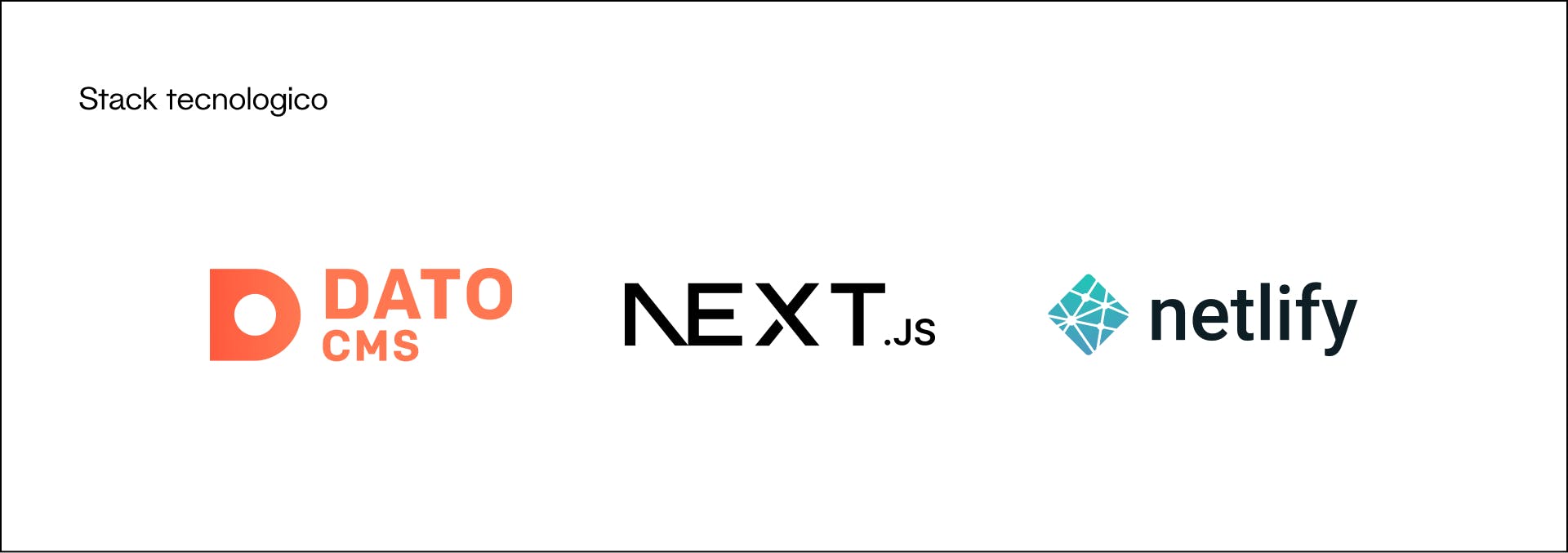
Using DatoCMS as a headless CMS lets the in-house Museo Ginori team produce modular, even complex content without a developer's help, and easily manage a large volume of visual content thanks to an advanced, effective Media Area.

Open and accessible
Although the project relies on SaaS (Software as a Service), Cantiere Creativo found a way to make all the development and UI open source and easy to browse via repository, allowing other institutions and museums to use some of the Foundation's solutions at no cost.
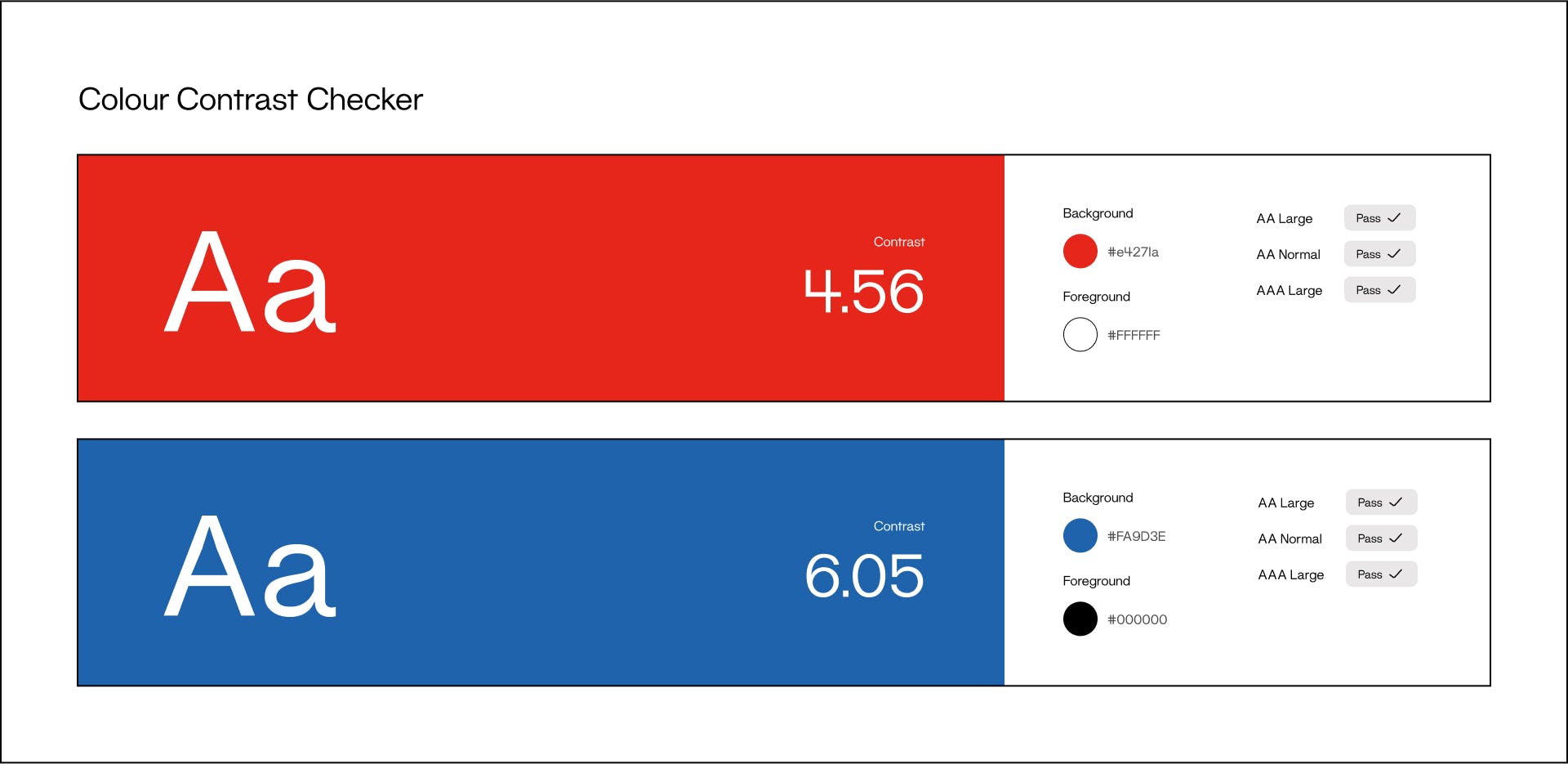
The same commitment went into making sure the site was fully accessible and navigable with both screen readers and keyboard, with close attention to the readability of audiovisual content. Thanks to these measures, the site is rated AA under the Web Content Accessibility Guidelines (WCAG) and scores 100/100 on Google's Lighthouse tool.

Just the first step
The website's modular nature and the multichannel potential of the chosen tech stack allow Museo Ginori to expand its digital offering without changing the core infrastructure.
The same content in DatoCMS can power interactive app guides, digital kiosks in the Museum, print-on-demand paper maps or even virtual reality experiences.
The open nature of the technology could also lead to new, as yet unimagined partnerships and synergies, enriching Italy's digital heritage.
Explore the project
Read the Museo Ginori portfolio page to see the work we did at every stage.


