

Digital Strategy Matters More Than Any Technology
Over the years, our clients’ needs have become more diverse, and it is increasingly complex to understand their real needs and, above all, their short- and medium-term goals.
Most of our clients and prospects ask us to build new websites or rebuild existing web infrastructure, but we almost never get thorough answers when we ask about the real goals behind their technical wish list.
The common denominator is a missing or unclear digital strategy.
Over the years, our clients’ needs have become more diverse, and it is increasingly complex to understand their real needs and, above all, their short- and medium-term goals.
Most of our clients and prospects ask us to build new websites or rebuild existing web infrastructure, but we almost never get thorough answers when we ask about the real goals behind their technical wish list.
The common denominator is a missing or unclear digital strategy.


What we mean by digital strategy
A digital strategy is the planning and strategic management of digital resources to achieve one or more business goals. Innovation, then, not for its own sake, but geared toward delivering economic benefits to the companies that use it. Defining digital strategy is easy; putting it into practice is another story. Using technology to innovate or improve your business, and doing it fast, is now a widespread need. The pandemic exposed the limits of a model anchored to traditional methods, and the boom in web services often revealed the shortcomings of companies that lacked a digital strategy. Gartner explains this well with the new paradigm of the Composable Business: it must rest on clear strategies and on architectures that may be complex but serve those strategies. Innovative technologies, such as the whole headless world and the Jamstack ecosystem, create almost endless opportunities, but without a solid foundation they can even prove counterproductive.
The Uffizi case
Recently I rewatched the timelapse of our first day of work at the Uffizi Galleries in spring 2017. When we first met, on the digital side there was practically nothing. We could have stopped at designing the institutional website, but it was clear there were voices, ideas and latent needs waiting to be uncovered.
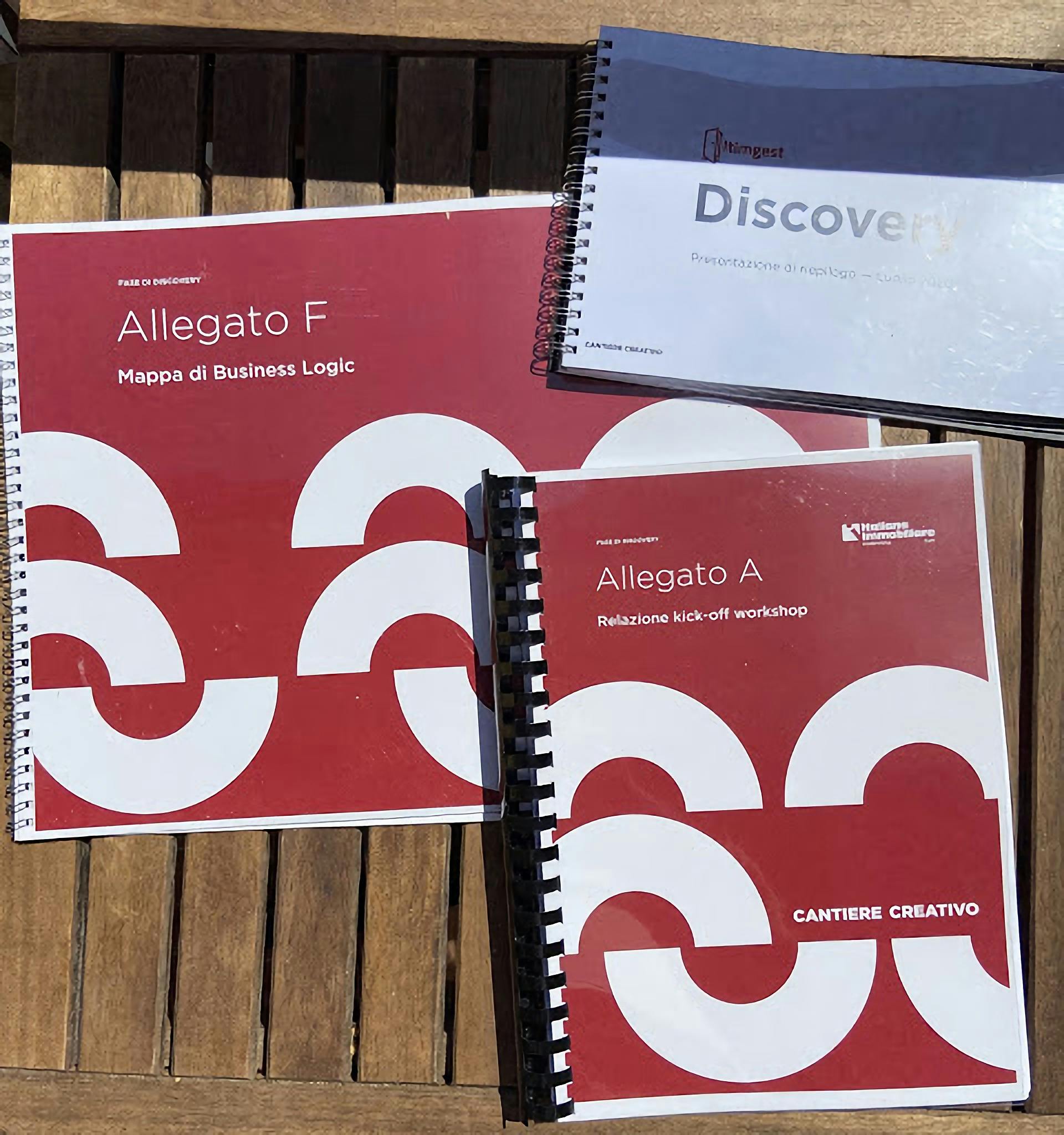
In essence, we needed to turn many good ideas into a digital strategy that was not only broad in scope but also long term. In my view, our biggest contribution to the Uffizi Galleries was the rigorous application of our method, built on defined timelines and strictly sequential steps. We brought the Uffizi our Discovery process, the method we use to validate ideas and reduce development risk.


It’s the same method we use for all our digital clients, as well as for in-house products like DatoCMS.

As a Florentine, my first feelings working with the Uffizi Galleries swung between panic and terror, with an underlying tension that stayed with me until the day of the website launch in September 2017.


The tension eased quickly, of course, but we only came to realize over time how extraordinary the work we had shared with the Galleries team was. The first time we made our results public was in a long blog post explaining the fruits of forward-looking design work. Together with the Galleries, we had managed to anticipate future developments and set priorities for building truly important tools for the museum complex’s various departments. Our latest reward came during the pandemic, when site traffic grew exponentially, with thousands of simultaneous visits from all over the world. That traffic rewarded the idea of a section of digital tours and thematic itineraries on the site, conceived to bring the physical and the digital closer well before it became a necessity, when many other institutions were scrambling to hide their treasures behind a paywall.


The technology helped, with the site handling millions of visits without any loss in performance, but it was the digital strategy, and the clarity with which the team pursued it at the Uffizi, that made the difference. We like to think we contributed as facilitators to the museum’s successes under Director Eike Schmidt, who has always paid close attention to digital. After all, you don’t become the world’s top museum by chance, as reported by national and international media:
The latest recognition is the Award for digital communication, which, in the Director’s own words, is “the result of our team’s commitment”. To this day the site keeps evolving nonstop, with new sections and new activities such as Terre degli Uffizi and UffiziKids. Having a robust, clear and shared digital strategy made for extremely short development times: from idea to launch in 2 weeks.


Digital strategy is a tool for everyone
The Uffizi example shouldn’t be seen as a one-off anomaly: opportunities for sustainable, healthy business growth exist for everyone. All it takes is a willingness to question yourself, define goals, KPIs and editorial workflows and, if necessary, make compromises. Sometimes creating a digital strategy leads us to rethink the business itself, but that’s part of the game; the range of opportunities may well widen instead of narrowing. If you want to know more about the Discovery process, book a 30-minute call with us by contacting us now.


