

What Is Composable Architecture and How to Put It into Practice
Companies often want full control over their software. They are used to running custom applications on their own internal network, accessible only to them. While this approach to technology is still widespread, it has produced legacy applications that are hard to use, maintain and evolve.
Companies often want full control over their software. They are used to running custom applications on their own internal network, accessible only to them. While this approach to technology is still widespread, it has produced legacy applications that are hard to use, maintain and evolve.



- What is composable architecture?
- What is a PBC (Packaged Business Capability)?
- Why are companies moving to composable architecture?
- The role of APIs in composable architecture
- The benefits of composable architecture
- How to implement composable architecture with headless solutions
- Composable architecture in Cantiere Creativo projects
- Conclusion
Forward-thinking, future-focused companies, on the other hand, now prefer to pick the best technologies on the market and use them to compose better, higher-performing products. This approach is called composable architecture (or simply composable, as it is often called).
Let’s take a closer look at this way of building a tech stack and cover everything you need to know about composable architecture.
What is composable architecture?
Composable architecture is about choosing and adopting the best technology solutions on the market. In other words, a company that embraces composable architecture selects the best building blocks it needs from all the services and platforms available online. On this subject, Gartner defines a composable business as
an organization that delivers business outcomes and adapts to the pace of business change. It does this through the assembly and combination of PBCs (Packaged Business Capabilities).
Which naturally raises the question: what is a PBC?
What is a PBC (Packaged Business Capability)?
Again according to Gartner, PBCs can be defined as
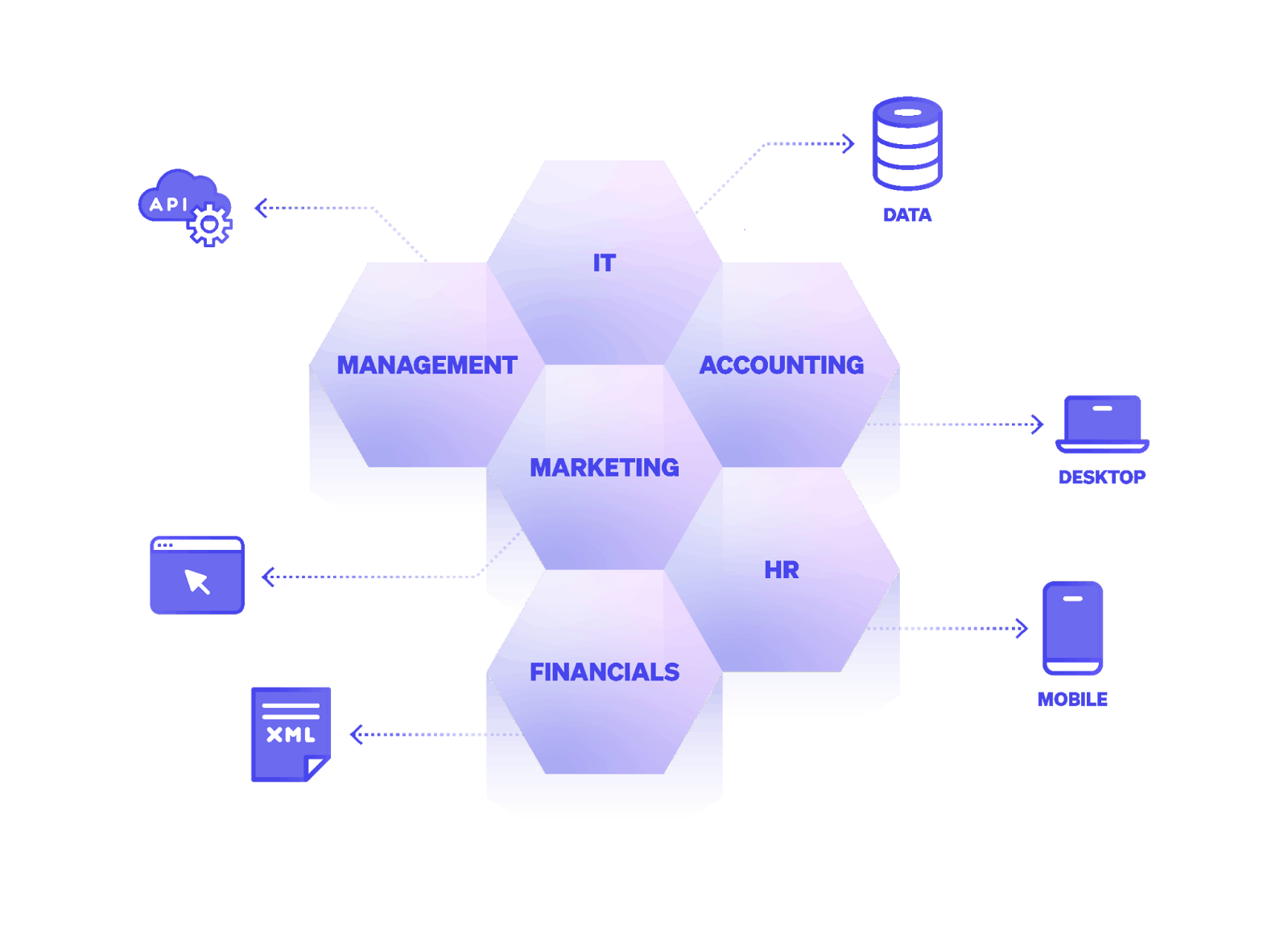
software components that represent a well-defined business capability, recognizable as such by a business user. Technically, a PBC is a bundle of data, services and APIs. Properly implemented PBCs are functional entities that can operate autonomously (they have no critical external dependencies and no need to access external data). In other words, PBCs can be seen as building blocks for creating tailored software products or application experiences.
Now that it’s clear what PBCs are and the role they play in composable architecture, let’s look at how companies got to this approach to technology.

Why are companies moving to composable architecture?
For years, companies preferred enterprise suites or custom solutions built around their needs, but keeping these monolithic applications up to date is anything but easy. That’s why this approach is no longer the safe bet it once was. Composable architecture moves away from monolithic software and encourages the adoption of high-potential technologies and services that are publicly available over the internet.
This shift came with the rise of the microservices approach and modern front-end frameworks. These led to the spread of advanced SaaS (Software as a Service) solutions that can now be integrated with little effort and a few lines of code. As a result, composable architecture lets the businesses of the future easily create faster, more secure, richer, more robust and more reliable digital experiences, especially compared with the traditional way of building and choosing software.
But none of this would be possible without APIs (Application Programming Interfaces), which connect the PBCs, the technology components chosen to build your composable architecture.
Let’s dig into this.
The role of APIs in composable architecture
As we have just seen, a tech stack based on composable architecture is an ecosystem of systems, services and data called PBCs, usually delivered as SaaS solutions. The end goal is to connect and integrate them all properly into a cohesive platform, and that would be impossible without APIs.
Specifically, SaaS solutions come with APIs that let you send data to them or receive data from them. In other words, APIs let you make the technology components you have chosen talk to each other as part of your composable architecture, and therefore integrate them successfully. To that end, SaaS solutions generally offer detailed documentation to help you integrate their APIs quickly and easily.
It also means that the composable approach lets your business react quickly to the market. All you need to do is subscribe to a new service and take advantage of the capabilities and features available through its APIs. This is the real power of SaaS and its API-first paradigm, which lets your company reorganize and respond quickly to market changes. If your customers ask for a new feature, you don’t have to build it from scratch: just adopt one of the many online services that offers what you need or helps you reach your goal.
This is one of the most important reasons to embrace composable architecture, but let’s go through them all.


The benefits of composable architecture
More and more, successful and forward-looking companies focus on building solutions based on advanced, modern web experiences. They adopt the most innovative technologies on the market and center everything on the end-user experience, especially when it comes to an omnichannel approach.
As you can imagine, an old, bulky monolithic suite that is slow to evolve won’t help here. In fact, such software is unlikely to give your team what it needs to keep up with your customers’ ever-changing needs. Embracing composable architecture, by contrast, makes shipping new features faster and easier.
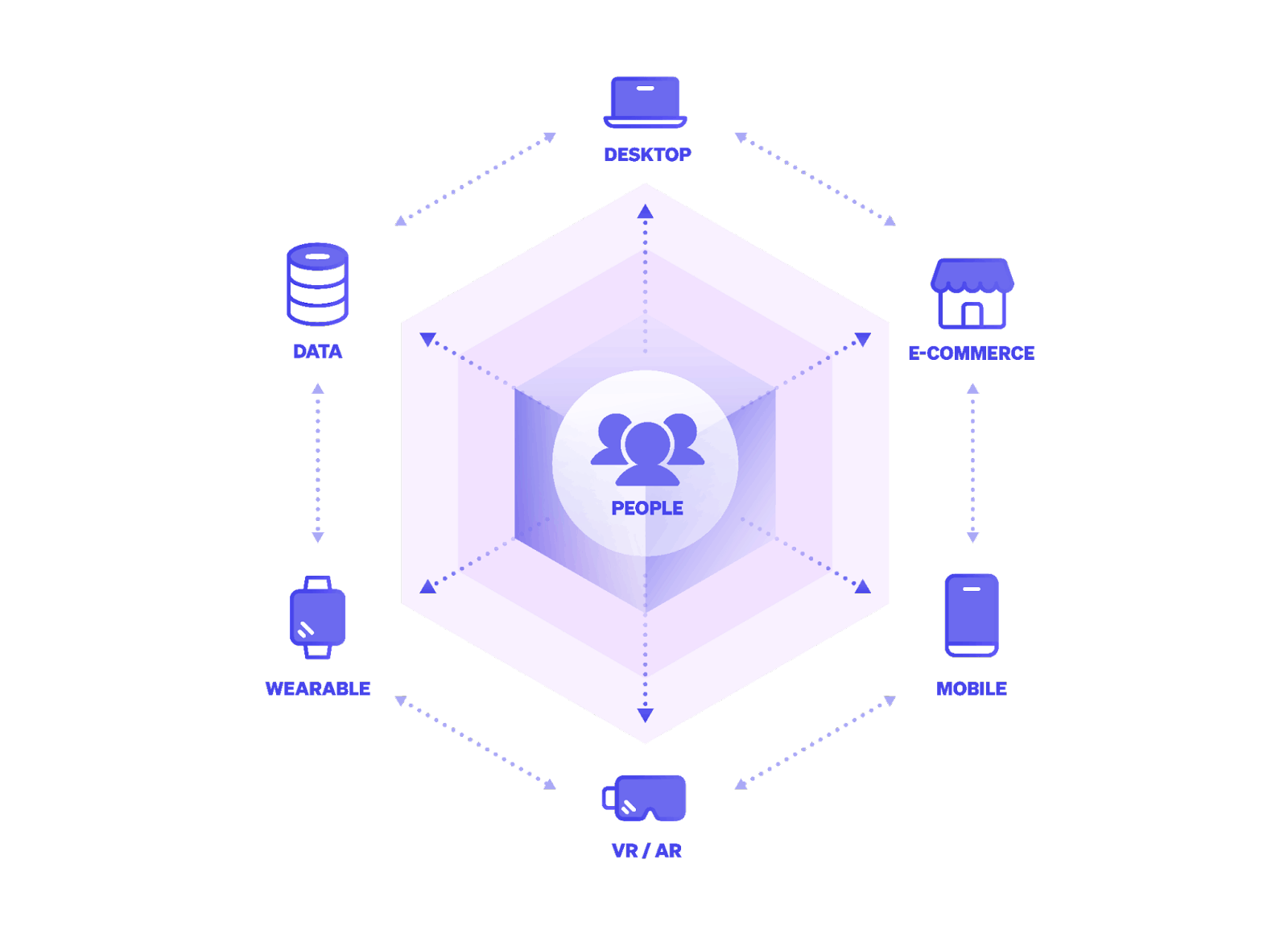
On this point, Gartner predicted that by 2023 companies that adopted a composable tech stack would ship new features 80% faster than their competitors still using suites or custom applications. That figure is too high to ignore.
Composable architecture also relies on decoupling and separation of concerns. This helps each team become a small unit that can focus on what really matters, so your business can thrive as a result. This last aspect of composable architecture is made possible by the headless paradigm.
Let’s see why.
How to implement composable architecture with headless solutions
By design, headless applications have no front end. So, unlike monolithic solutions, they give you only what you need for content management. This means they centralize your data and its management, then make it available through APIs. In other words, they let you keep your data in a single place. It’s then up to you to use and display it in different ways and formats, depending on your needs.
Put differently, the headless paradigm lets your front-end team focus on the UI (User Interface) and the UX (User Experience) without dealing with all the limitations of monolithic solutions. Your developers can take advantage of the latest, most advanced front-end technologies, while your marketing team manages content in the headless platform. As you can imagine, this is the ideal scenario, and just one of the many benefits of adopting headless solutions within a composable architecture.
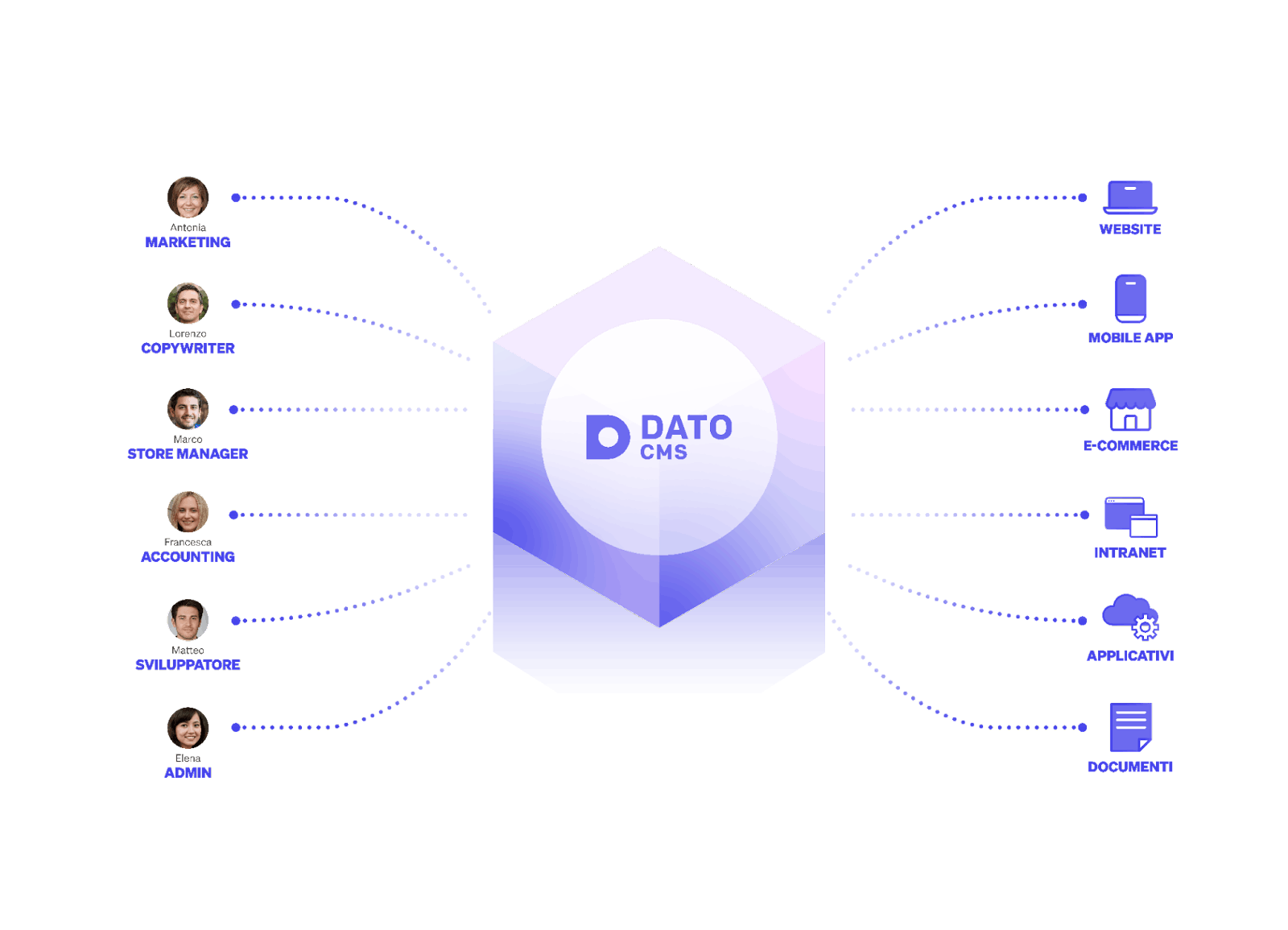
A few headless solutions are enough to get there, and the one that deserves the most attention is undoubtedly the CMS. A headless CMS like DatoCMS is the ideal solution for implementing composable architecture easily and securely.
At Cantiere Creativo we have successfully used the composable approach on many projects of very different sizes and complexity.
Let’s look at a couple of them to get an idea of what’s possible.
Composable architecture in Cantiere Creativo projects
One of the most recent and ambitious examples of composable architecture is the one we built with the Digital Team for the MITD, the Ministry for Technological Innovation and Digital Transition (MITD) and the Department for Digital Transformation.
Moving to a headless CMS made it possible to create models with only the fields that were needed, thanks to modular blocks, so the redesign team could rebuild exactly the content it needed. With the front end separated from the content, everything produced can be published on different channels and devices in the future without having to duplicate it.
The site is now fast and easy to adapt and update, and the editorial team can produce content without fear of mistakes thanks to a granular system of roles and permissions.


Our collaboration with Arduino also led to a composable architecture for its broad, rich range of educational products.
Thanks to its modular nature and ability to integrate with any service, new products can be created and published online in just a few hours, reusing shared parts effortlessly. In a few months, more than eighteen different products went live, with fifty editors managing all the content from a single DatoCMS instance without any issues.
The DatoCMS SDK made it possible to build full-fledged React applications as plugins, such as an automatic translator for twelve languages.


Managing different content in a single CMS is extraordinarily practical for sites with a multi-tenant architecture, where each customer runs its own project independently but shares the same stack with others.
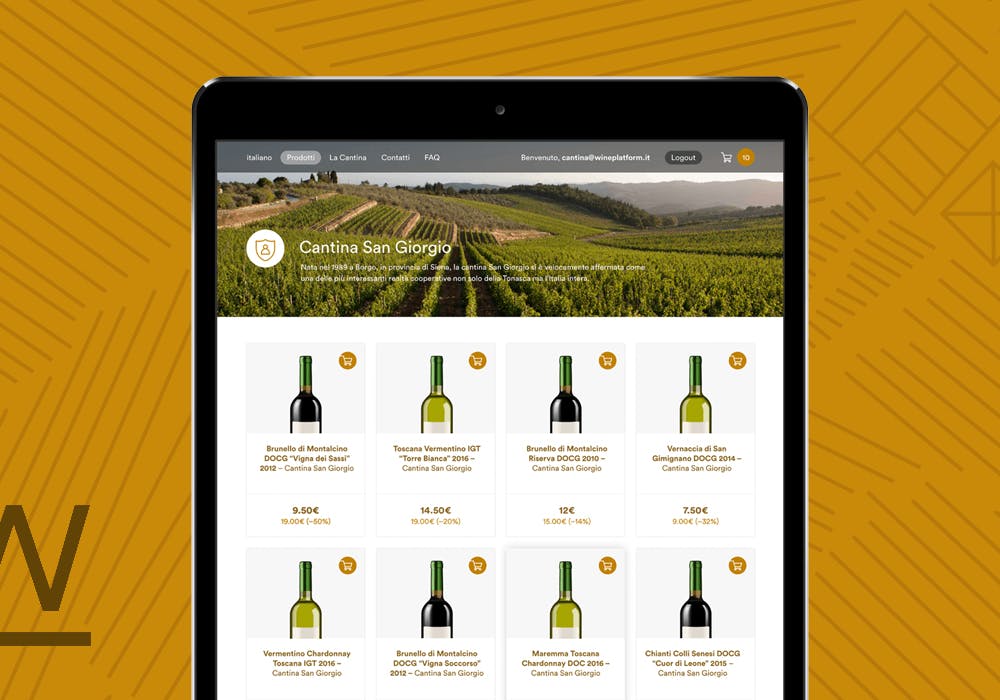
That’s the case with WinePlatform, the Tannico project that lets wineries open their own online store in an hour, leaving shipping logistics to Italy’s leading online alcohol retailer.
The system is open, easy to extend over time, while keeping the same underlying simplicity for the end customer.

Conclusion
In this article, we have seen what composable architecture is and why every company looking for a competitive edge should adopt it. The market is simply evolving too fast for yesterday’s suites and custom solutions to keep up, which is why you should move to the best available technologies as soon as possible. It’s easy: just choose the right ones for your needs and integrate them through APIs. That is what a composable approach to building a tech stack is all about, and in this article we explored why and how to implement it. Thanks for reading! We hope you found this article useful. Feel free to contact us here with any questions, comments or suggestions.


