

A beautiful, accessible website? Yes, with the right technologies!
The European Union has recently introduced web accessibility regulations, which means that websites used by European citizens will soon have to comply with the guidelines set by the European Parliament. Does this mean saying goodbye to the idea of a beautiful website? Not at all!
A website that is beautiful and accessible, visually appealing yet able to reach a broad and diverse audience, is far from a utopia. In fact, aesthetics and accessibility are the foundation of a memorable user experience, no matter how people interact with the site. The result is a larger potential audience, a stronger digital image and greater customer loyalty.
The European Union has recently introduced web accessibility regulations, which means that websites used by European citizens will soon have to comply with the guidelines set by the European Parliament. Does this mean saying goodbye to the idea of a beautiful website? Not at all!
A website that is beautiful and accessible, visually appealing yet able to reach a broad and diverse audience, is far from a utopia. In fact, aesthetics and accessibility are the foundation of a memorable user experience, no matter how people interact with the site. The result is a larger potential audience, a stronger digital image and greater customer loyalty.


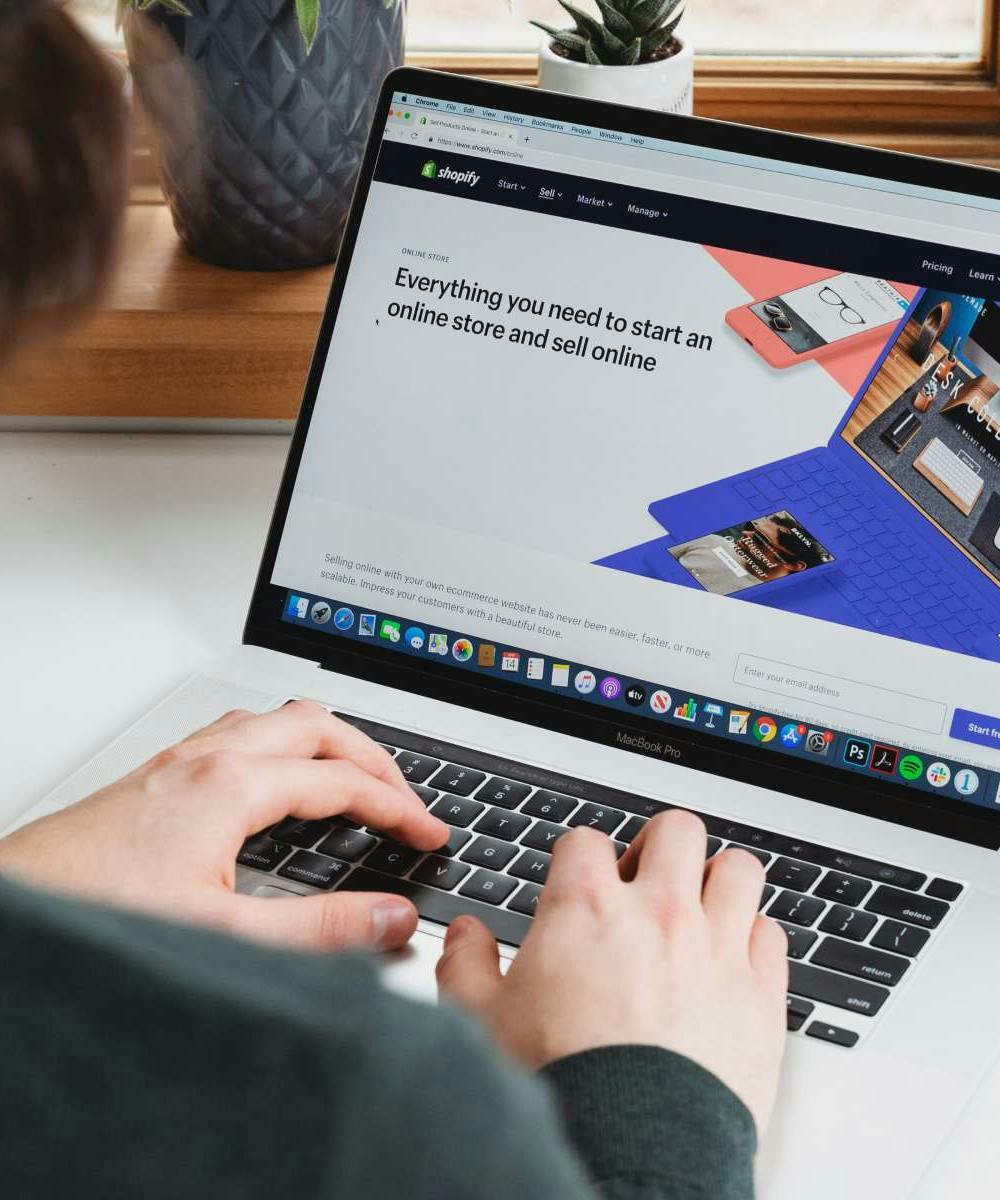
In this article, you'll learn what aesthetics and accessibility mean on the web, which elements contribute to each, and how these two worlds can coexist harmoniously on a website.
Website aesthetics and accessibility: what they are and how they work
When it comes to building websites, there are two fundamental concepts to keep in mind: aesthetics and accessibility. Aesthetics refers to the look and design of a site, which should be pleasing to the eye. Accessibility, on the other hand, is about the site's ability to be used by anyone, including people with disabilities.
A website's aesthetics plays a crucial role in attracting and engaging users. An eye-catching design, harmonious colors and a well-structured layout can spark visitors' interest and encourage more engaged browsing. However, focusing too much on aesthetics can compromise a site's accessibility. For example, overdoing heavy visual effects can slow down page loading, making pages less accessible to people with slow internet connections or less powerful devices.
At first glance, these two concepts may seem at odds, but they are actually complementary. Web accessibility and usability share the same goal: creating the best possible online experience for the end user.
So we should never talk about a trade-off between aesthetics and accessibility. Instead, we should think in terms of a design that integrates both in a balanced way, ensuring a high-quality experience for every user. This way, visitors are more likely to come back to the site and choose it over competitors.
A beautiful, accessible website therefore doesn't just benefit your image: it also supports your business, bringing more visits, interactions and sales.
What makes a beautiful website beautiful? And when?
The obvious answer is that there's no such thing as a beautiful website in and of itself, since beauty depends on personal taste. That's certainly true, but website aesthetics goes beyond personal taste. There are elements that, when combined effectively, have a positive impact on the user experience and contribute to the overall perception of a site as "beautiful".
Some of these elements are:
- Page design: an intuitive, well-structured layout, with a thoughtful and consistent arrangement of elements across pages, creates a sense of order and visual consistency.
- Color choice: a harmonious color palette, with appropriate contrast and a selection of shades that reflects the brand identity or the site's theme, helps create a welcoming atmosphere for visitors.
- Typography: fonts, text size and letter spacing affect the readability and look of a site's text content.
- Images and multimedia content: high-quality images are crucial for top-notch visuals. Similarly, video can enrich a site's content and evoke emotions in visitors. To this end, it's essential to choose authentic images that contribute to the perception of beauty while reflecting the brand's message.
- Features and technical performance: a fast, responsive, easy-to-navigate website conveys professionalism and care for the user. These aspects also help visitors feel they're interacting with a “beautiful” site.
Website accessibility: when can a site be called accessible?
A website can be called accessible when it's designed and built so that it can be accessed and used on any device and by anyone, including people with physical, sensory, cognitive or neurological disabilities. This may sound like an abstract concept, but it isn't at all. Usability, as a metric, can actually be measured.
There are specific principles and standards for ensuring website accessibility. Among the best-known guidelines are the WCAG (Web Content Accessibility Guidelines) defined by the W3C (World Wide Web Consortium). According to the WCAG, an accessible website must be:
- Perceivable: user interface components and information must be presented in ways people can perceive through at least one of their senses.
- Operable: exploring pages, interacting with components and navigating the site must involve actions that anyone is able to perform.
- Understandable: information on screen must be easy to understand and the interface must work intuitively.
- Robust: content must be robust enough to be interpreted reliably by a wide range of devices, including assistive technologies.
Depending on how closely these guidelines are followed, there are three increasing levels of conformance:
- A: the minimum level of accessibility.
- AA: site accessibility that is excellent in most cases. This is the minimum level required by EU legislation.
- AAA: the highest level of accessibility, achieved by only a limited number of sites. It involves design and technology trade-offs that don't suit every scenario.
Note that these levels aren't rigid or isolated from one another. An AA-level site can also implement several AAA requirements to raise its accessibility further. However, it only becomes AAA-level when it implements all the required criteria.
One point we can't leave out is that web accessibility isn't just a virtuous principle: it's a legal obligation. In Italy, AGID (Agenzia per l'Italia Digitale) requires public administrations to comply with accessibility guidelines set by the government. Some of these rules also apply to private companies offering services to the public through websites or mobile apps. With the EAA (European Accessibility Act), the crackdown on inaccessible websites has become even stricter.
Is your website ready? Check it with the web accessibility tools recommended by the W3C.
Technologies and approaches for aesthetics and accessibility on a website
Having looked at website aesthetics and accessibility separately in the previous sections, one question naturally arises: is it possible to build a website that is both beautiful and accessible? The answer is a resounding yes!
Not only is it possible, a successful website is very likely to be both beautiful and accessible. Achieving this requires specific technologies, methodologies and approaches. The most important are:
- Moving away from older CMSs: WordPress is ideal for getting a site up quickly, but it's certainly not the best tool for building a highly customized website that leverages the best web technologies on the market to give your users a unique experience.
- Using well-known design patterns: for reliable results, it's best to rely on design patterns based on established accessibility rules such as Nielsen's heuristics. For more information, visit the Nielsen Norman Group website.
- Following a responsive, mobile-first design: the site must be designed responsively, so it's accessible on a wide range of devices, including desktops, tablets and smartphones. A mobile-first design improves not only web accessibility but also the overall user experience.
- Using common sense: the most effective tricks for creating a beautiful, accessible website come from our own experience as web users. For example, well-formatted text is both easy to read and visually pleasing. Similarly, dark text on lighter backgrounds (and vice versa) is both pleasant to look at and accessible to people with low vision. And optimizing images for the web delivers high visual quality without sacrificing site performance.
If all this sounds too complex, the best solution is to rely on a digital partner with years of experience in design and web accessibility, like Cantiere Creativo. Find out more in the next section!
Aesthetics and web accessibility according to Cantiere Creativo
With years of experience creating custom web experiences, Cantiere Creativo has made accessibility and aesthetic design its two cornerstones. That's why organizations ranging from luxury brands to public administrations, museums and conferences have chosen Cantiere Creativo to build their websites.
Here's a list of highly engaging projects that also achieve the recommended accessibility rating (AA).
Museo Ginori

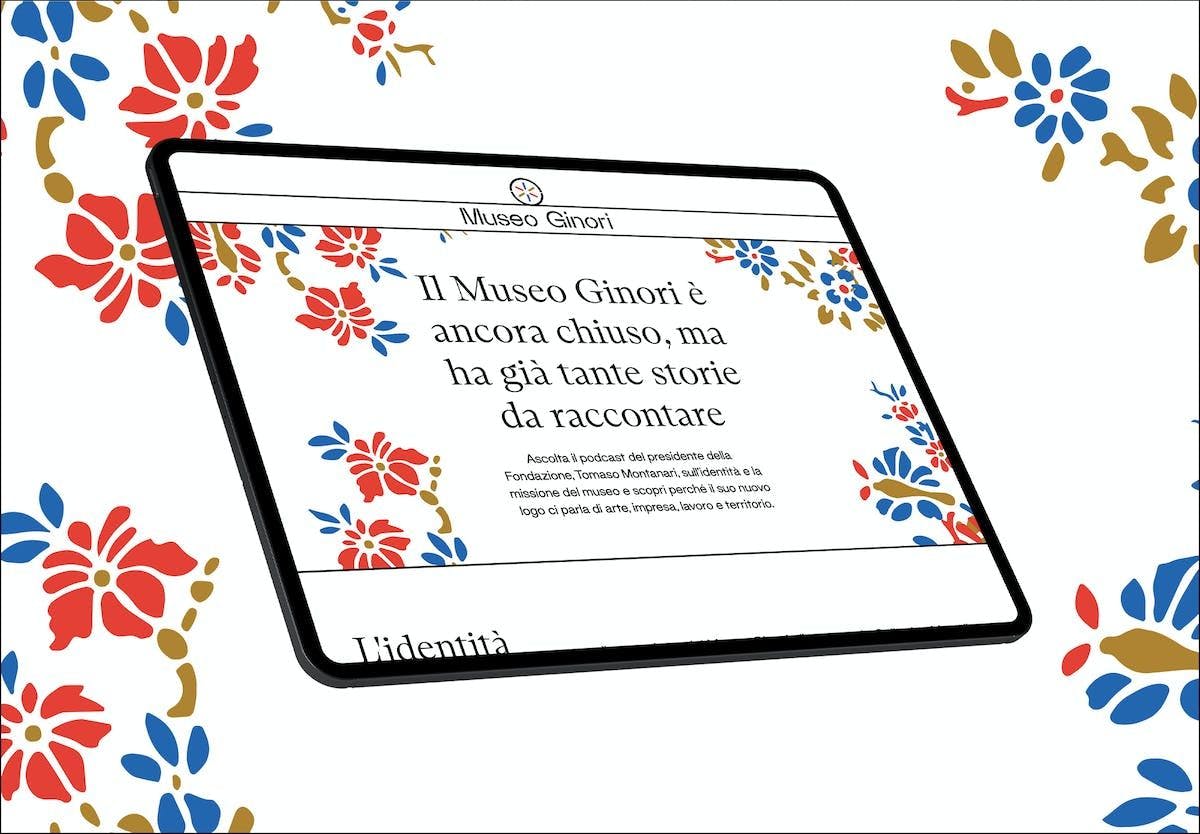
A beautiful website that makes the fascinating, rich history of the Richard Ginori brand accessible to everyone, without distinctions or barriers, offering content that inspires visitors and helps researchers.
Find out more:
Elena Casadei

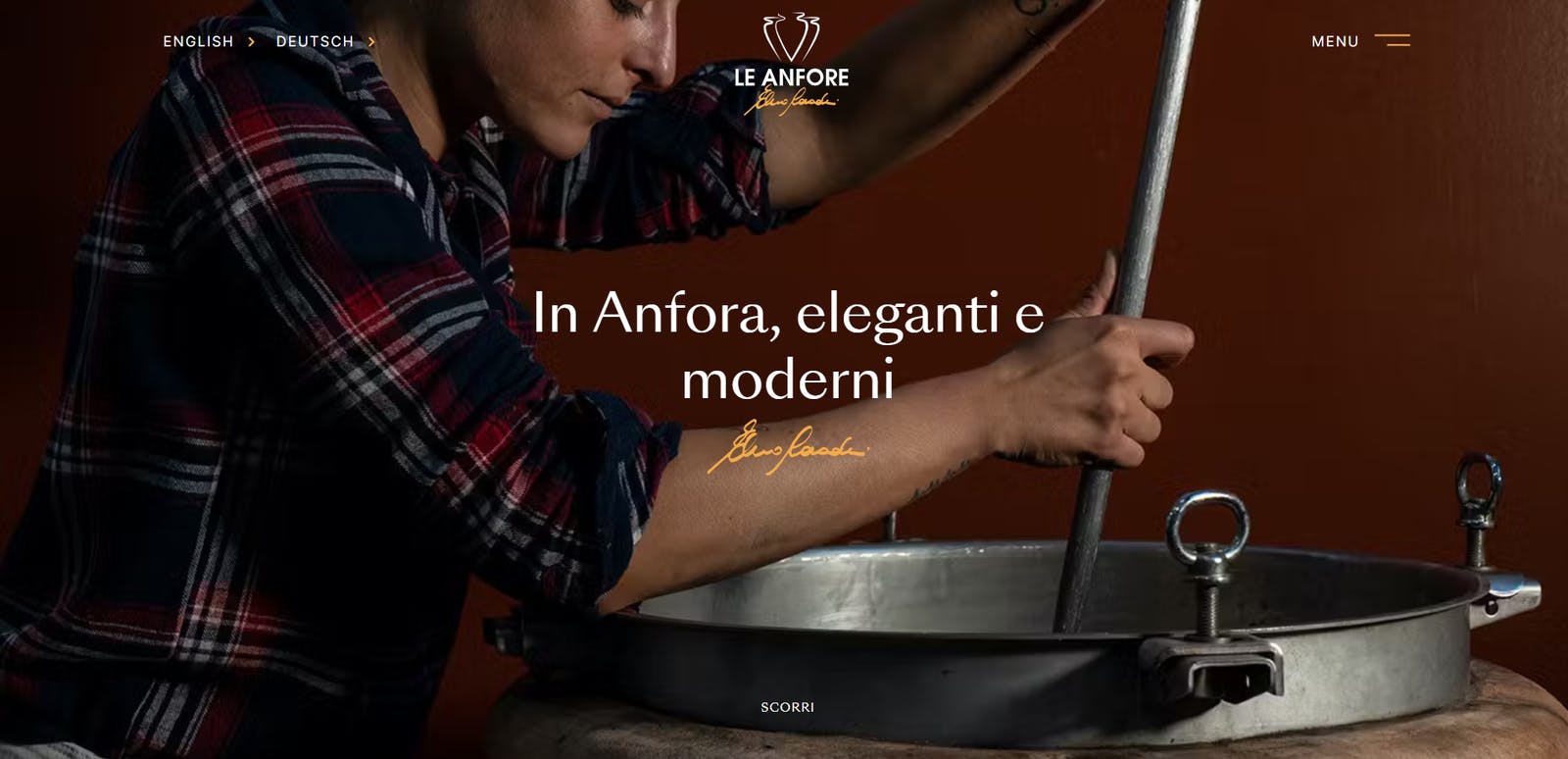
A highly usable website with strong visual impact, telling the story of the modern, amphora-based winemaking vision of young vigneron Elena Casadei.
Find out more:
Italian Tech Week

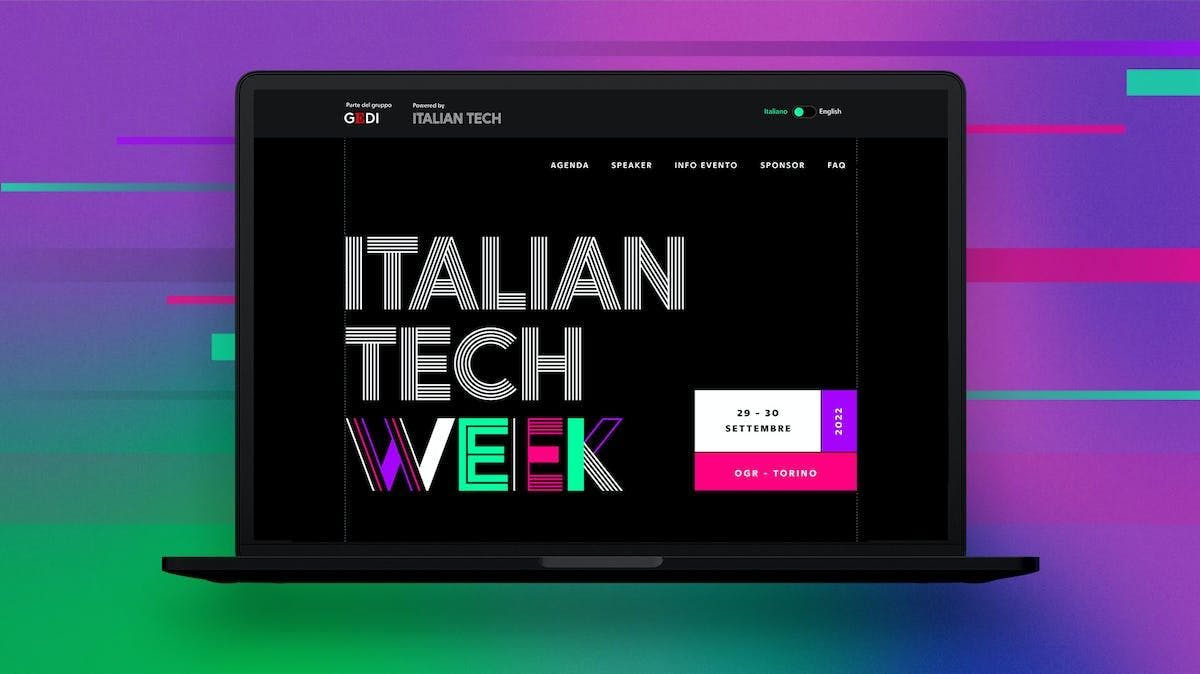
A website for Italy's most important technology conference, with a dual purpose: an accessible guide to the event and a promotional and communication platform.
Find out more:
Dipartimento per la Trasformazione Digitale

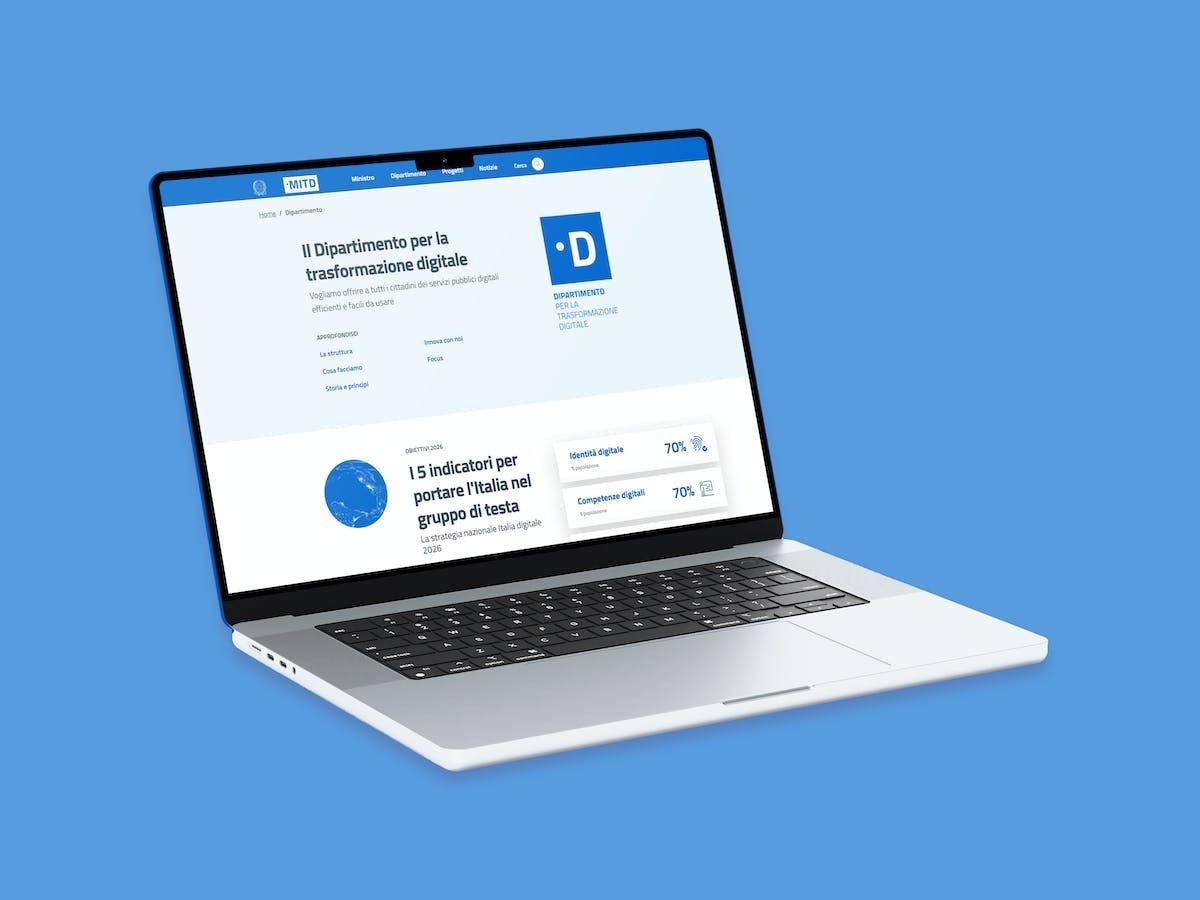
A redesign of the Dipartimento per la Trasformazione Digitale (Department for Digital Transformation) website to bring it to the state of the art in speed, accessibility, scalability and readiness for a multi-experience future.
Find out more:
Conclusions
In this article, you've learned why a website's aesthetics and accessibility can be assessed objectively, why it matters to build a site that is both beautiful and accessible, and the benefits this can bring to your business and digital image. As we've seen, with the right technologies and methodologies you can build a website that is visually appealing and complies with EU web accessibility regulations. It's a job that only a digital partner with years of experience in the field, like Cantiere Creativo, can do.
Thanks for reading! We hope this article has shown you why accessibility matters in aesthetic design. Contact us with any questions, comments or proposals.


