

What is multi-tenancy and when should you adopt it?
Software as a Service and cloud are not just trends. On the contrary, they have quickly become key concepts in IT, and no company that wants to keep up with the times and hold its ground against the competition can do without them.
But have you ever wondered what technology architecture lies behind these two key concepts? The answer is simple: it's called multi-tenancy.
Software as a Service and cloud are not just trends. On the contrary, they have quickly become key concepts in IT, and no company that wants to keep up with the times and hold its ground against the competition can do without them.
But have you ever wondered what technology architecture lies behind these two key concepts? The answer is simple: it's called multi-tenancy.


So let's take a closer look at what multi-tenancy is, what benefits it brings, how to implement it and why you should adopt it. Without further ado, here is everything you need to know about multi-tenancy.
Multi-tenancy refers to a software architecture in which a single instance of an application runs on a server and is used by multiple distinct users or groups of users, known as tenants.
The term multi-tenancy comes from real estate, where a single building is typically divided into several units or rooms, which are then rented out to many tenants.

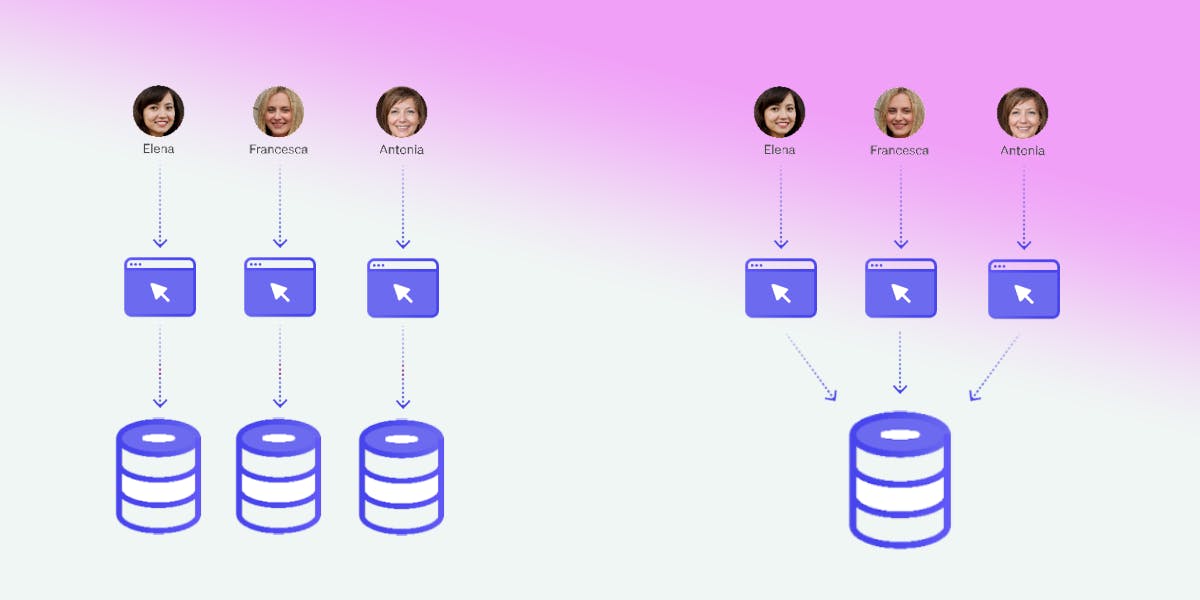
Multi-tenancy, then, is the ability to partition and manage data, configurations, software and/or services to support multiple tenants, which are distinct groups of users that usually operate within the same organization. Each tenant sees the software, system or application delivered through this architecture as if it were for its exclusive use, and is unaware that the other tenants exist.
Multi-tenant architecture is the opposite of multi-instance architecture, where each instance of the software is installed at the customer's site and accessed and used through the customer's own machine or internal network. Let's look at a few examples to better understand multi-tenancy.
Examples of multi-tenancy
On the software side, the most common example of multi-tenant architecture is SaaS software (Software as a Service).
These applications serve distinct groups of users, yet configurations, access and data stay separate from one another, even though the underlying software is the same.
As a result, SaaS services give each tenant an isolated experience, even though all users are actually using the same software.

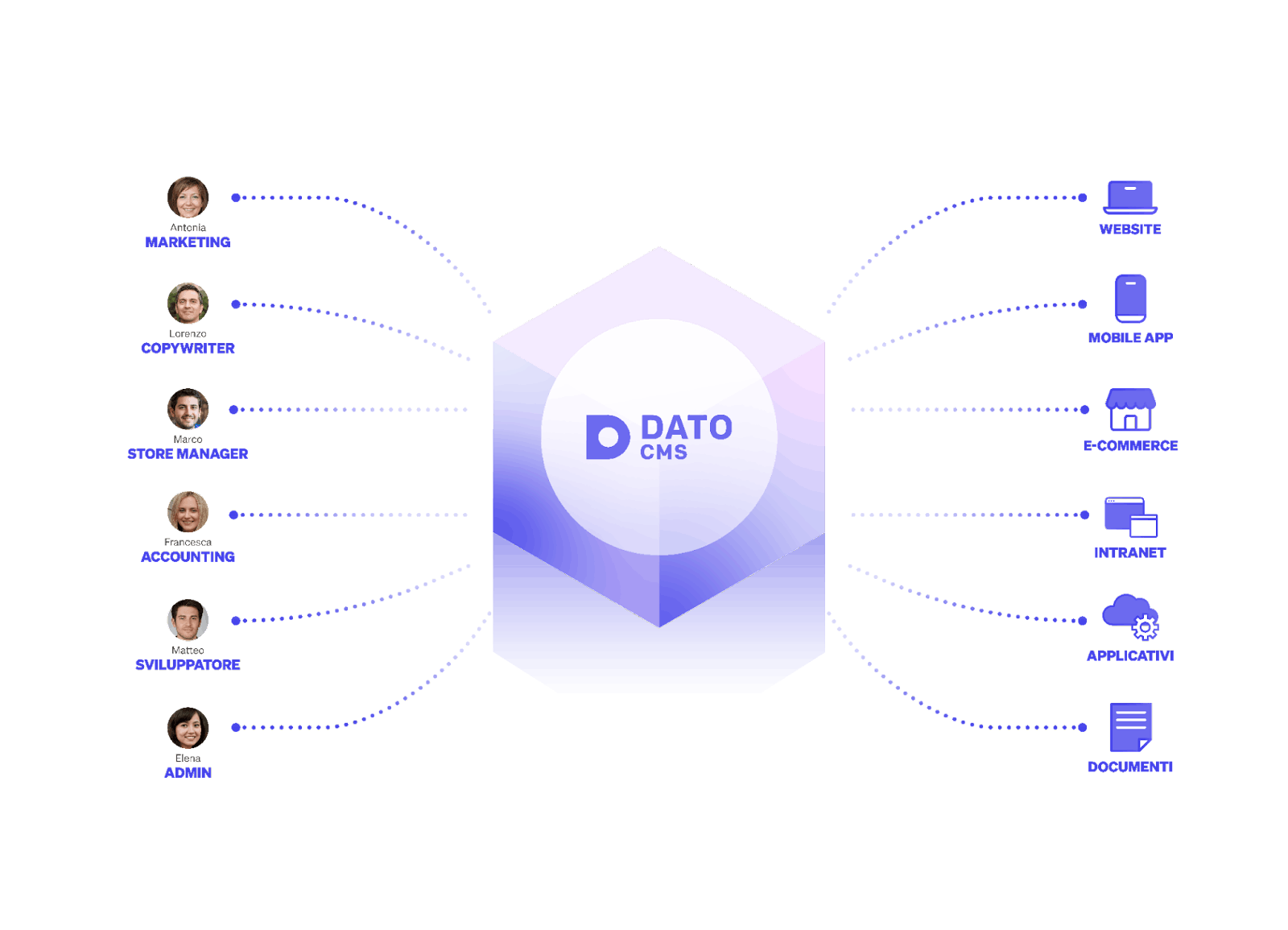
Similarly, multi-tenant architecture can be applied to hardware. Here, the most obvious example is cloud computing. A cloud provider simply buys a pool of resources with high processing power and memory, and distributes them dynamically among its customers. So each tenant's data and workloads remain isolated, but behind the scenes they all use the same shared resources.
Now that we've covered what multi-tenancy is, let's look in detail at when it's the right solution to adopt.
When should you choose multi-tenancy?
Let's look at the benefits of adopting a multi-tenant architecture.
First of all, you need to understand that multi-tenancy is not a binding choice. You don't have to go all-in and move all your software to a multi-tenant model. At the same time, once you embrace this approach, you may never want to go back.
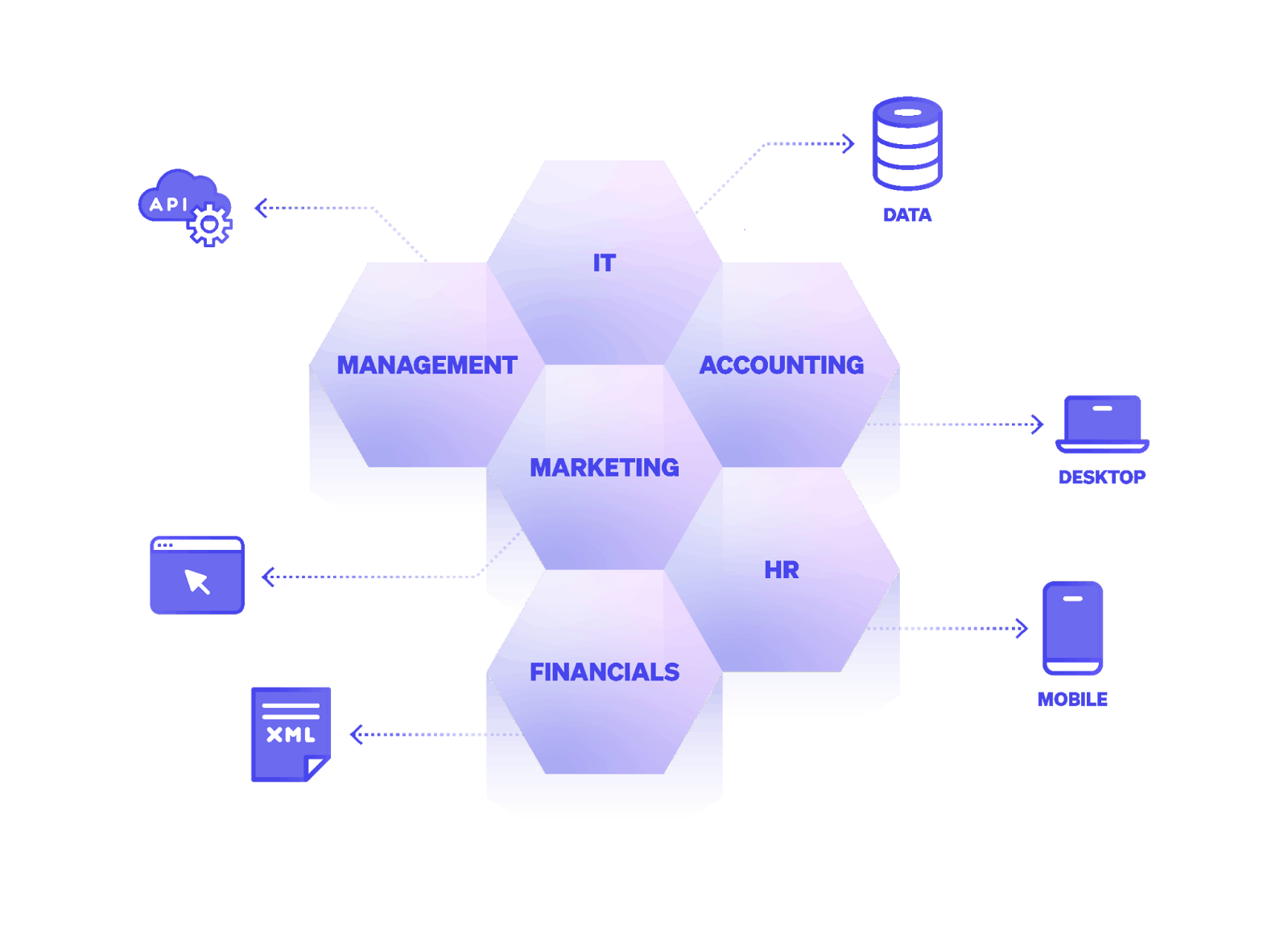
If you're unsure whether a multi-tenant approach is right for you, think about your current core business and how you expect your company to grow in the future. If that includes expanding into more markets, using different communication channels or managing departments with different permissions and goals, then you should adopt a multi-tenant approach. Otherwise, each team might adopt different tools and software, leading to organizational and operational chaos. But with multi-tenancy you could centralize all or part of it in a single piece of software, then grant access with different permissions and visibility depending on each team's goals.
Multi-tenancy is therefore ideal for any company, professional or large corporation that pursues distinct goals that can be achieved with the same tool. Think, for example, of a company that has to manage many websites or blogs, potentially in several languages.
Each one has different goals and is run by separate teams or business units. Without multi-tenancy, every site would be completely independent and would need dedicated management and maintenance, with all the cost and time issues that come with it. With multi-tenancy, each site remains logically independent but is managed centrally, and therefore more efficiently, by a single application.
Now let's look at the benefits of adopting a multi-tenant architecture.
The benefits of multi-tenancy
Multi-tenancy has 3 main benefits:
- it saves you time and money: multi-tenancy is an efficient, cost-effective solution because infrastructure management, maintenance and updates are handled by the provider, not by you. So you don't need to make large investments in hardware and software;
- it gives you flexibility and scalability: by its nature, cloud hardware or software frees you from scalability concerns. Cloud solutions are natively multi-tenant and provide computing power and access capacity based on your needs and your commercial agreements with the provider;
- it encourages reuse: the centralization that comes with a multi-tenant model makes it easier for different teams and user groups to share resources and know-how. This is especially true if everyone accesses and uses one or a few SaaS products. Once a solution has been found on the platform or a template has been defined, it can be duplicated endlessly and, if needed, adapted to new requirements in just a few clicks. No more reinventing the wheel!
With the benefits covered, let's see how to implement multi-tenancy.
How to adopt multi-tenancy
To implement a multi-tenant approach, all you need to do is adopt the online services multi-tenancy is built on. Specifically, to go multi-tenant on the software side it's essential to use SaaS applications, such as a headless CMS. This lets you manage the content, data and permissions your multi-goal organization needs in one place. It's also a key tool for implementing a composable architecture.
Likewise, hardware multi-tenancy can be achieved by adopting one of the many cloud providers available. They can offer you both computing and storage resources and let you reap all the benefits listed above.
But adopting multi-tenancy isn't just a matter of picking a few online services and starting to use them. On the contrary, adopting the technologies to go multi-tenant involves a selection and integration process that depends on your company's goals. That's why it's essential to have a team of experts by your side during this transition, one that will carry your company straight into the future.
Beyond your company, these benefits could also be very attractive to your customers; you may need to offer your users a cloud experience built on the principles of multi-tenancy.
Building a multi-tenant architecture for your web project
You may want to offer your customers a cloud platform that provides turnkey services, without the need for complex maintenance or separate databases to manage.
At Cantiere Creativo we have worked on several projects with a multi-tenant architecture, from the websites of the UniCoop Firenze shopping centers to the magazines of the l'Officiel group. The goal has always been to provide maximum flexibility and independence to different departments and teams while eliminating redundancies and cutting maintenance costs to zero.
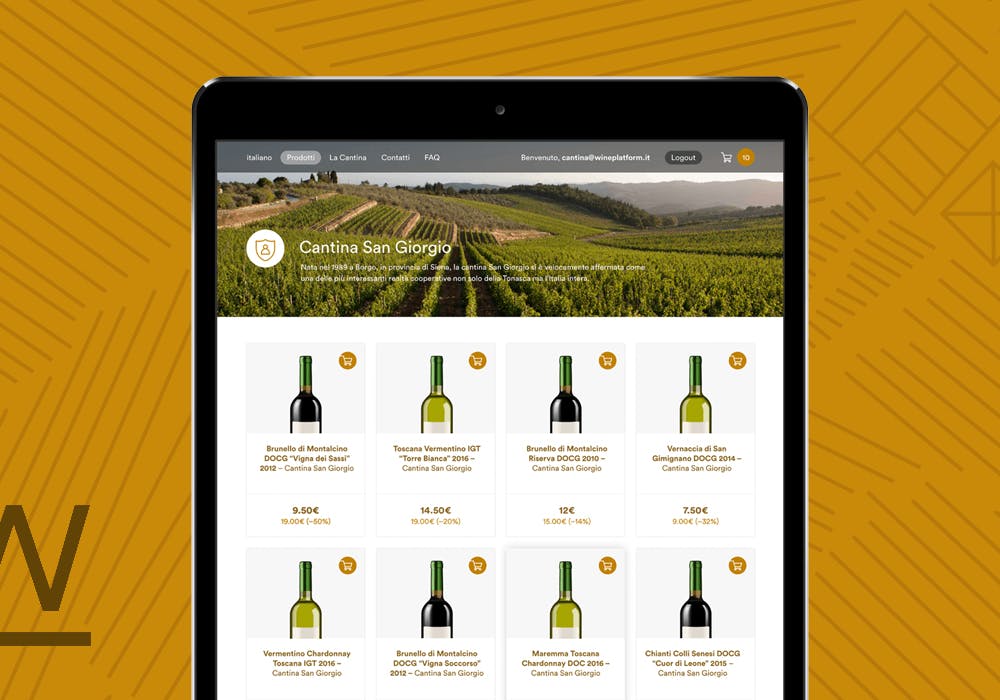
The most recent example is our work with Tannico on WinePlatform, the all-inclusive e-commerce solution for wineries that offers a frictionless shopping experience and fully independent content management, while using the same code and the same database on DatoCMS.
A WinePlatform customer can open a customized winery store in less than an hour and start selling right away, a result that would be unthinkable without the flexibility of a multi-tenant architecture.

Conclusion
In this article we looked at what multi-tenancy is and why every company pursuing multiple goals across different channels and markets should adopt it. In particular, we saw when and how to use multi-tenancy and the benefits it brings.
This technology architecture is undoubtedly the future. It's no coincidence that cloud hardware and software, which bring so many benefits to companies around the world, are built on a multi-tenant approach. And as we've seen, adopting multi-tenancy with the right team of experts is simple, so all that's left is to embrace the future.
Thanks for reading! We hope you found this article useful. Feel free to contact us here with any questions, comments or suggestions.


